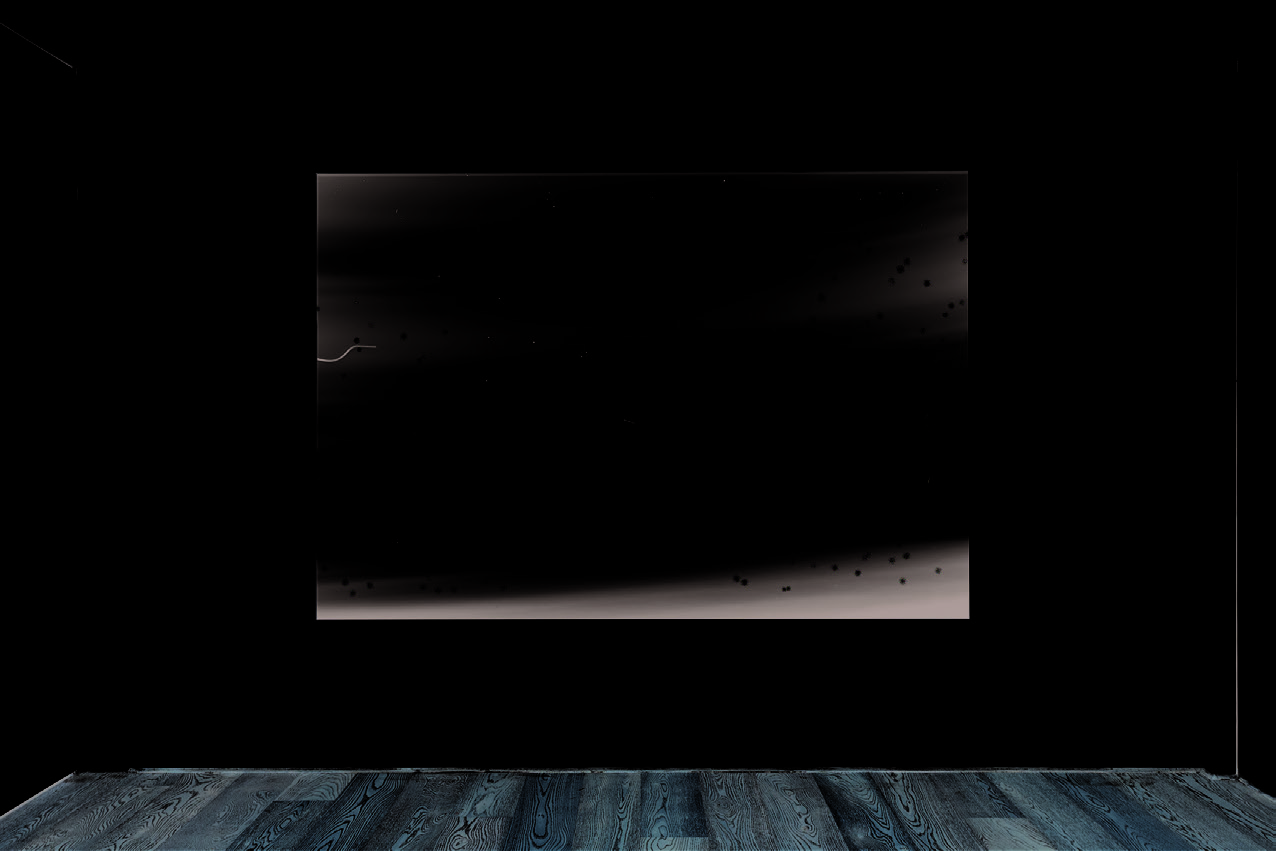
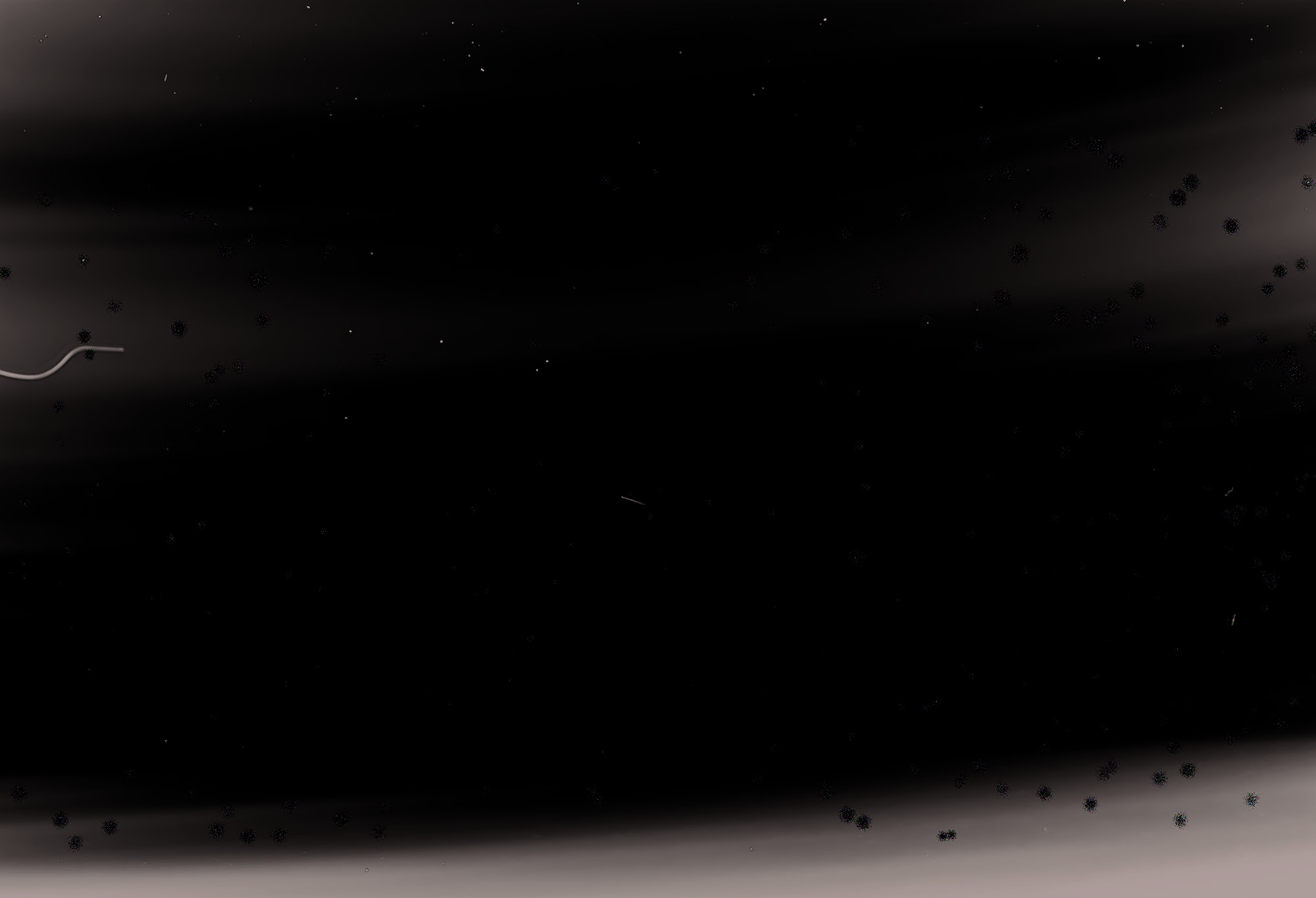
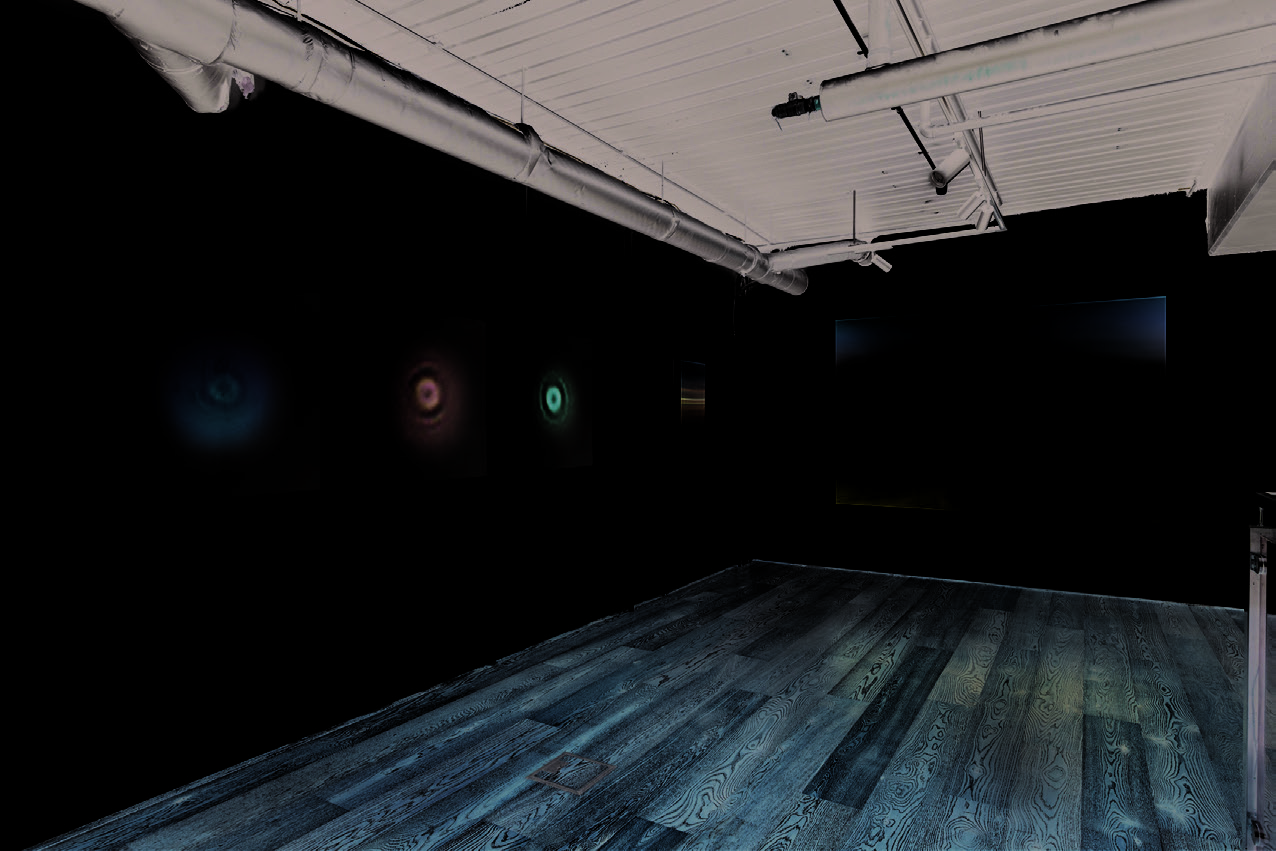
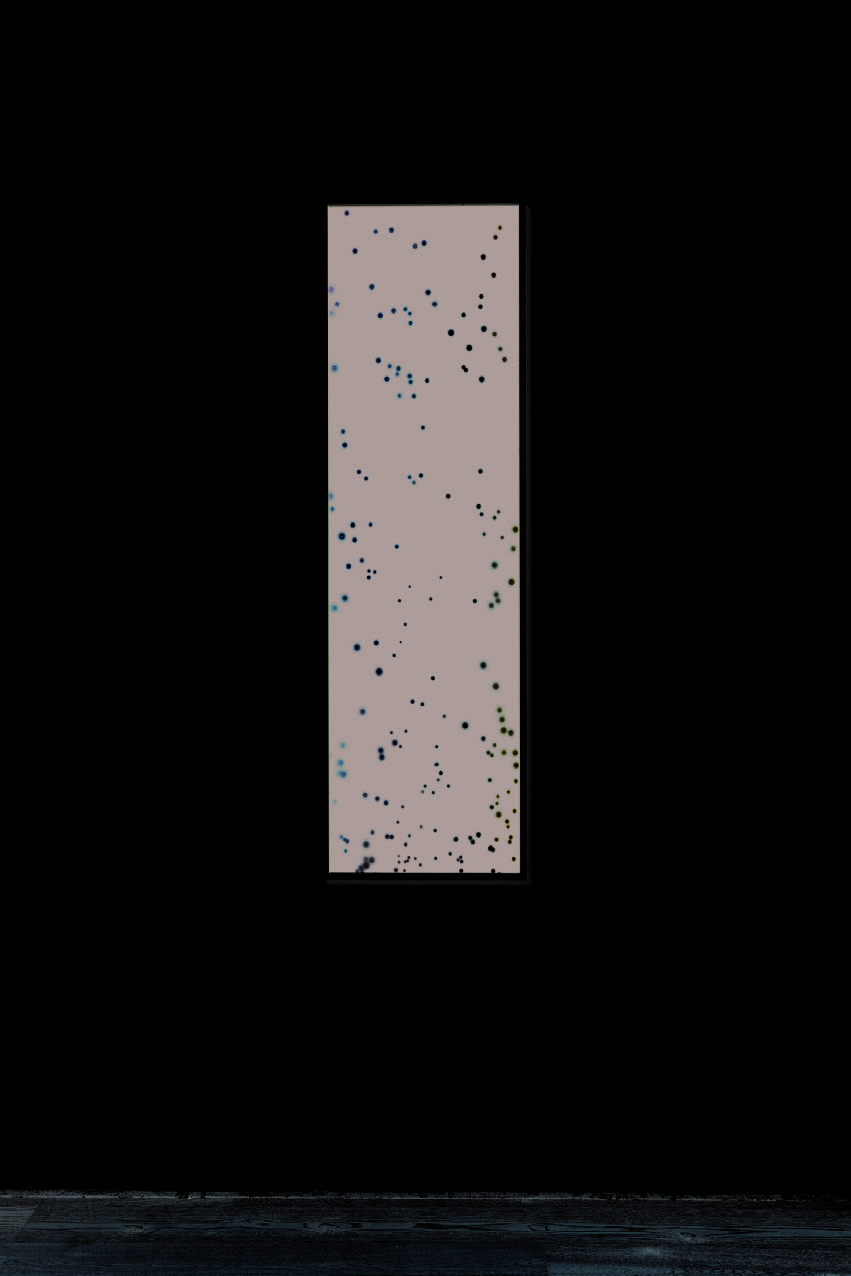
It is perhaps self-evident to acknowledge that photography is fundamentally the capture of light through a duration of time. While theorists and artists have played with the medium’s mutability and mimesis, there is a magic in the photographic that continues to mesmerize. The translation of the ethereal elements of light and time into something tangible, and at times, tactile, seems miraculous still.
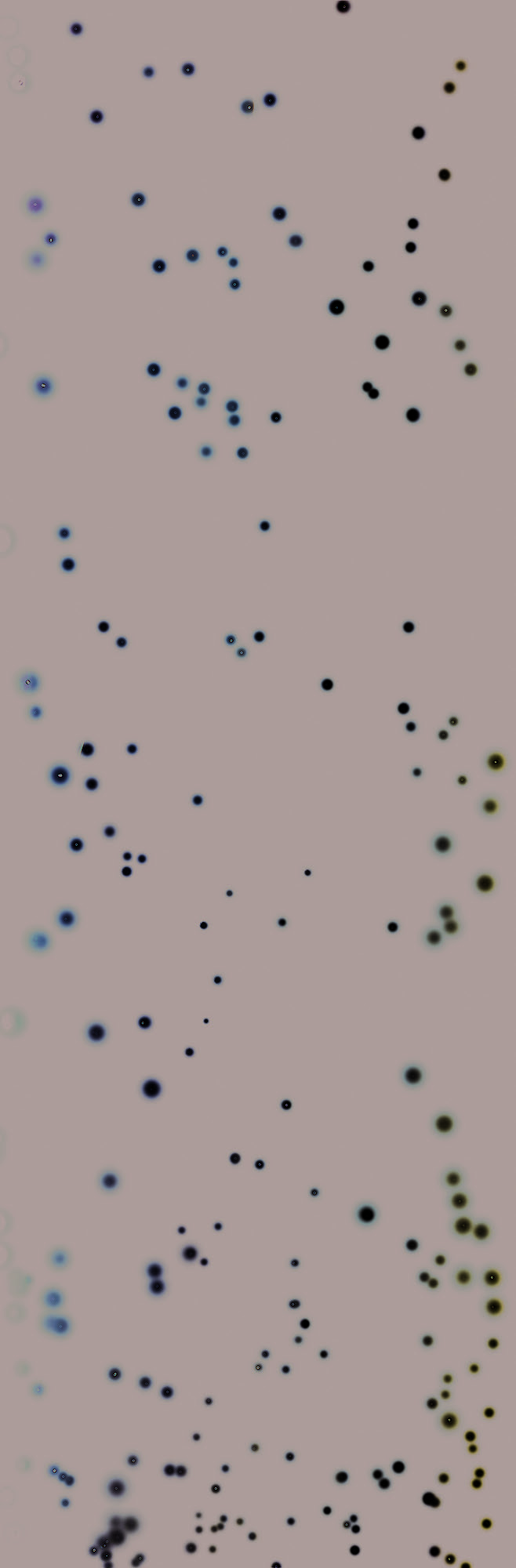
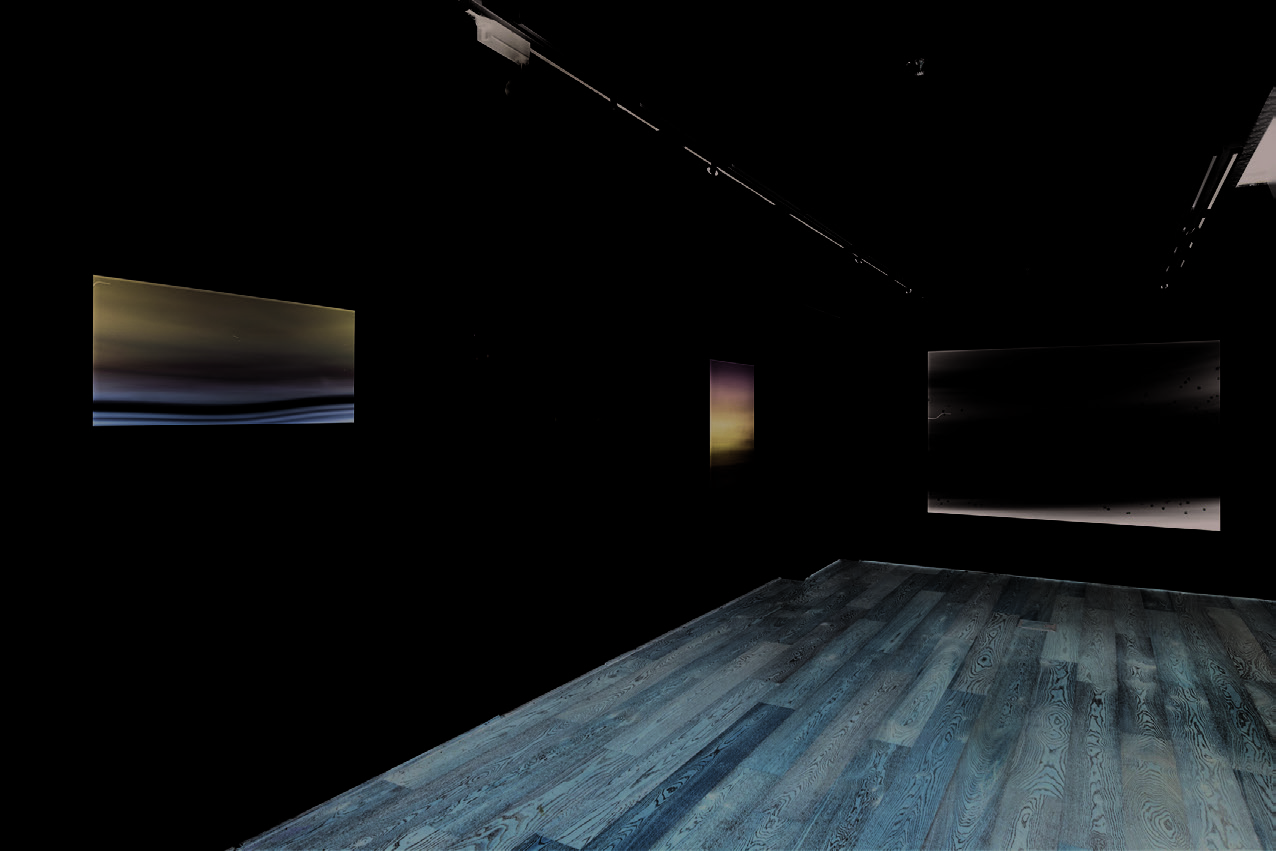
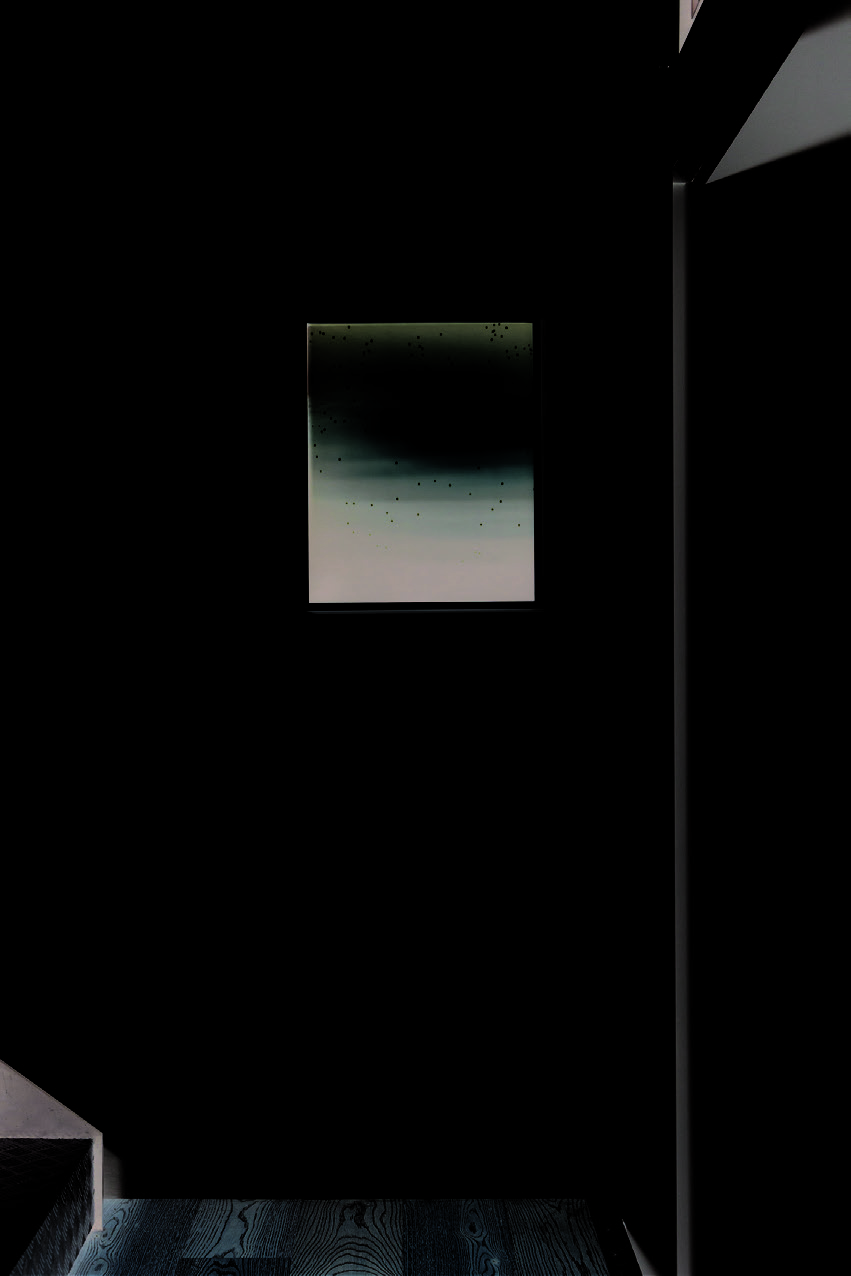
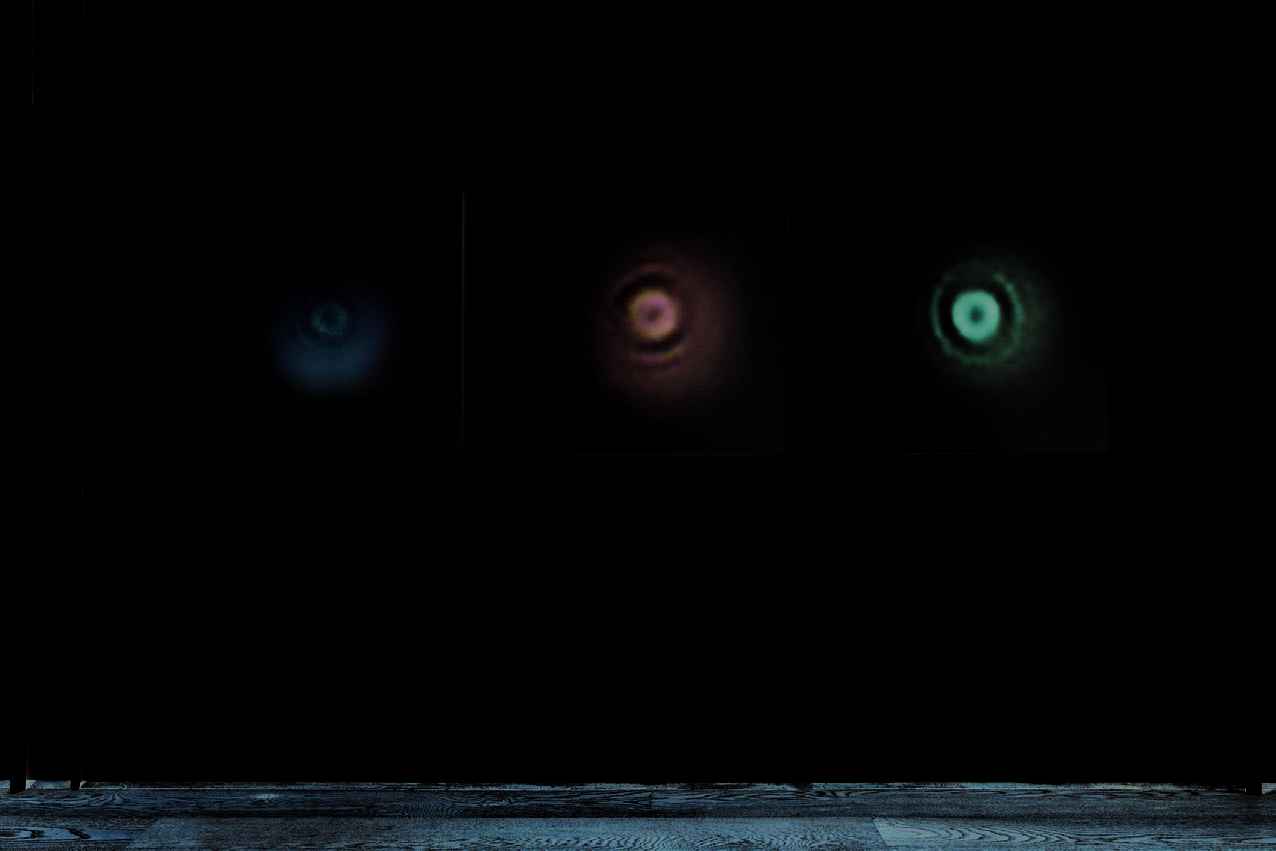
The work of Anne Scott Wilson in Algorhythmia harnesses the unbridled mysticism of photography, while captivating viewers in a metaphysical contemplation. The traditions of representation and abstraction in photography are replaced with an emphasis on the elemental nature of existence. Wilson breaks the photographic down to the particle level. Just as Rothko’s bleeding color-fields embodied an emotional magnitude, Algorhythmia refracts human existence into immersive wells of color and psychic sensation.
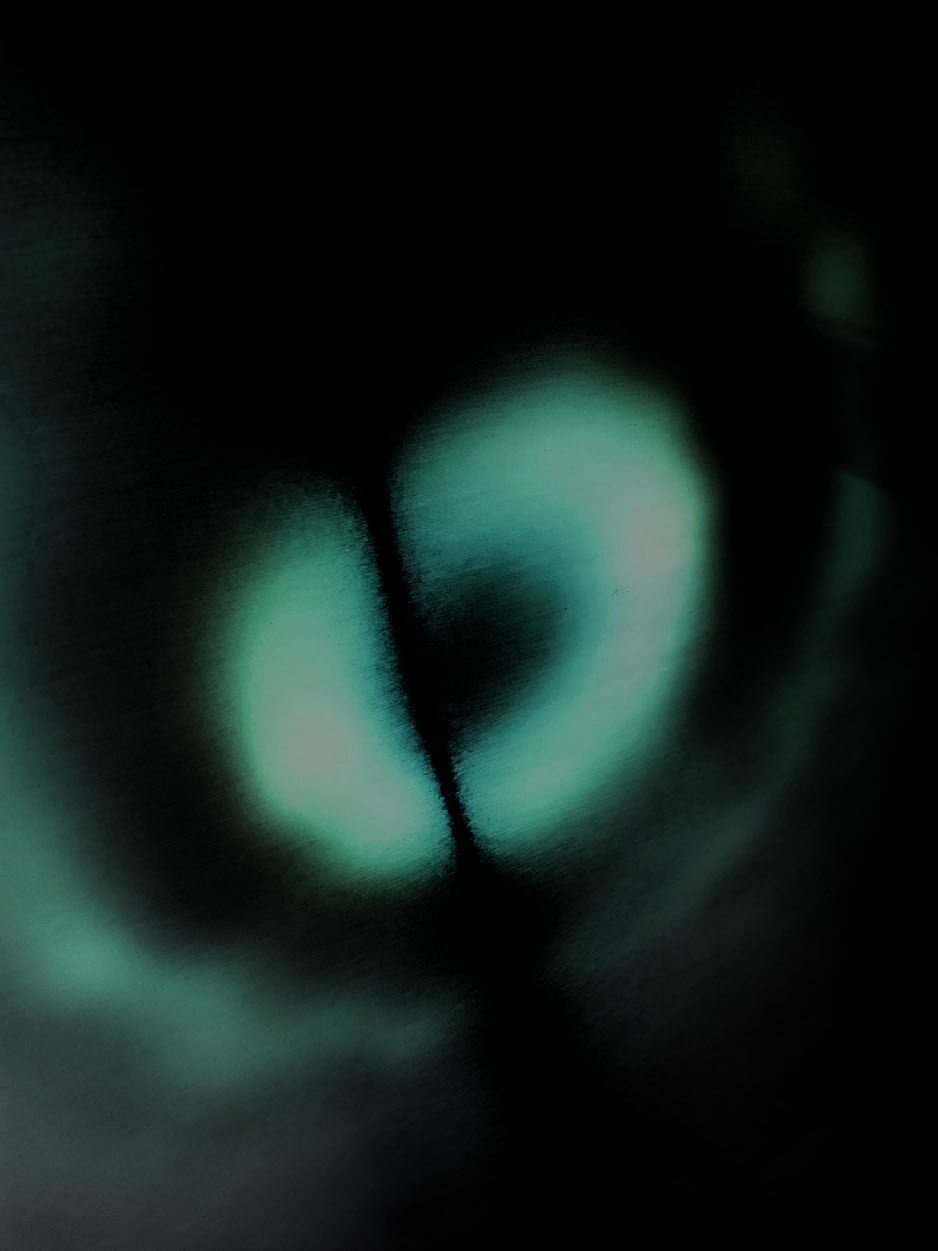
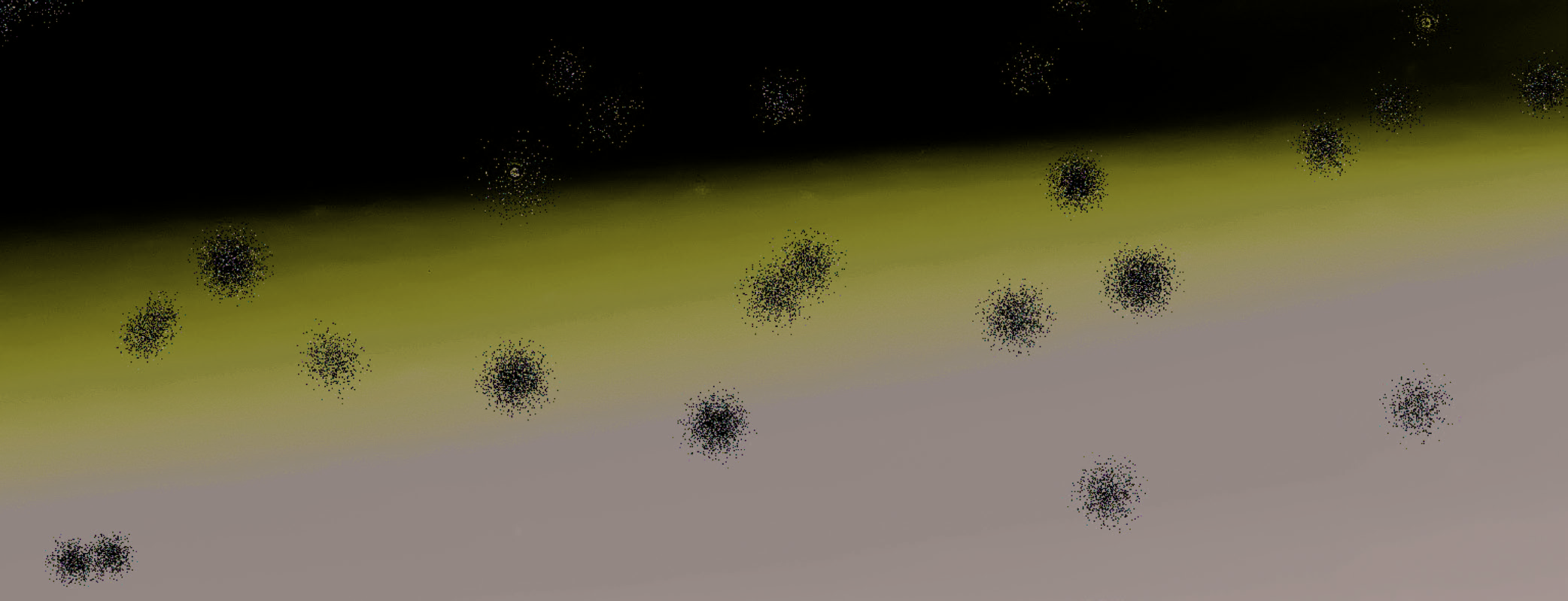
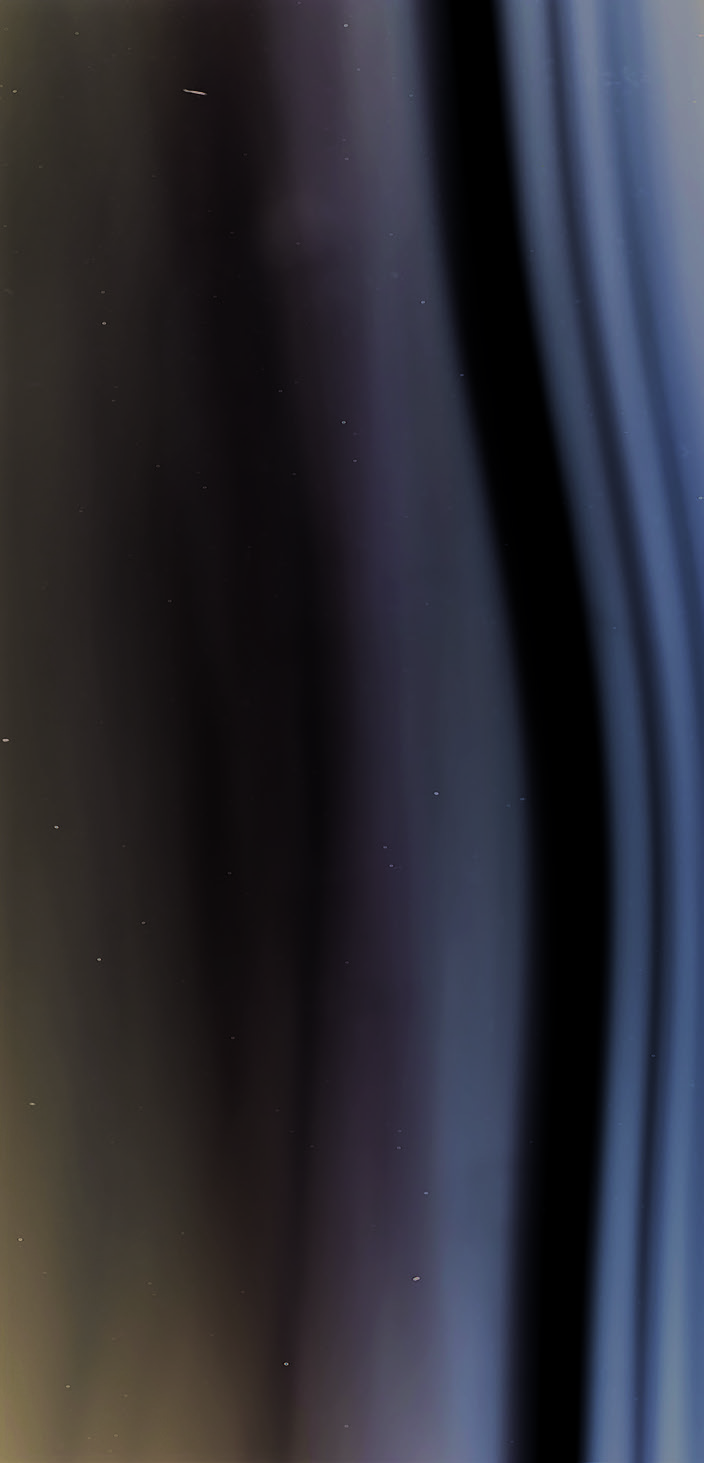
The kinetic pull of liquid lines punctuated by kaleidoscopic fractals through the work embody state changes, as the viewer is moved from the wholeness of a body in space down to the atomic level in a graceful dance. The body of the artist spinning in space is palpable in the fluidity of the images. The camera becomes an extension of her body, showing the world, not as it is seen, but as it is felt. With each magnification, the vibrating atomic particles that make up our existence are beautifully rendered, serving as affirmation of a deeply human physicality rather than technological distancing.
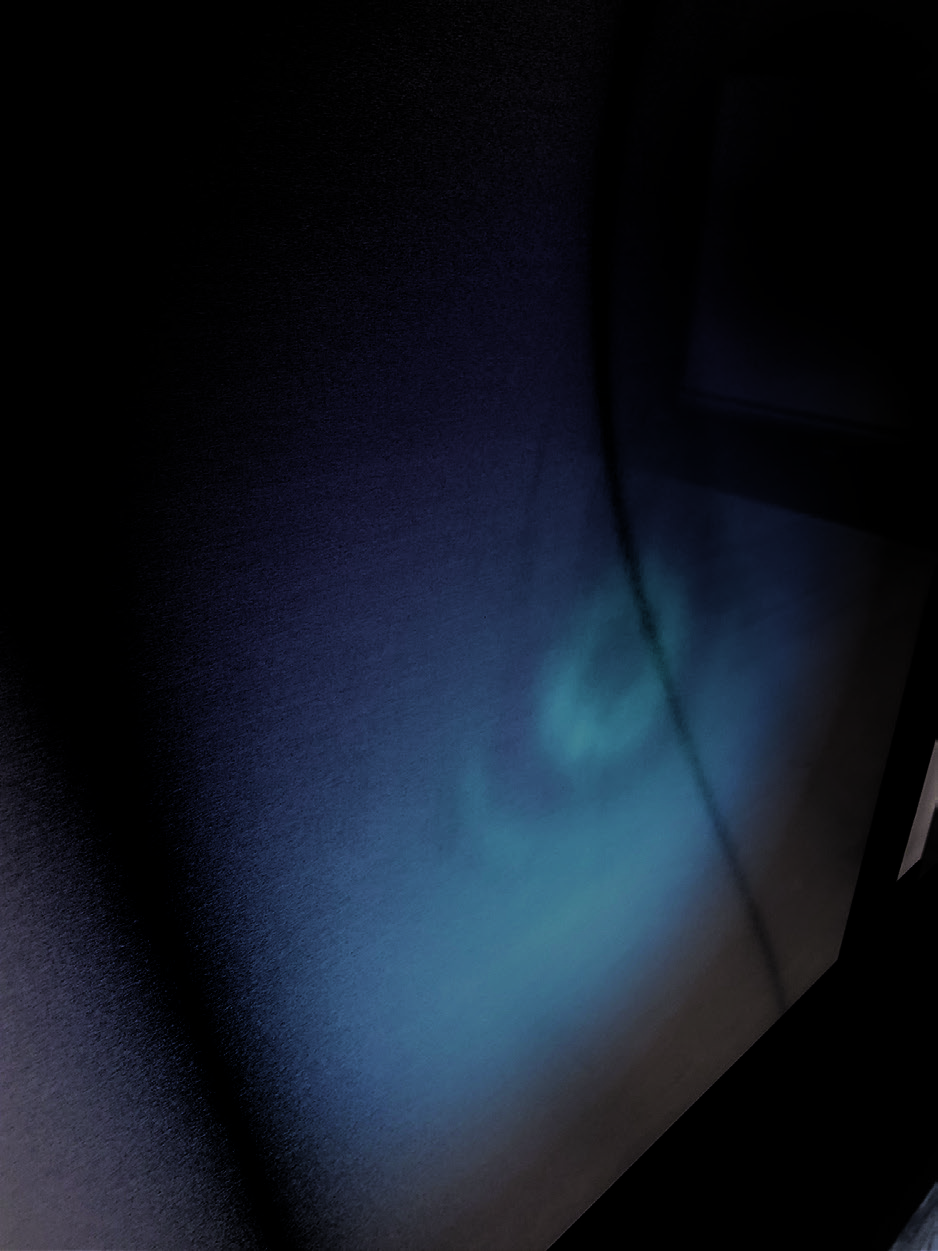
Religion often juxtaposes the temporality of corporeal existence with the ethereal nature of eternity. Conversely, science probes the origin and bounds of creation in quantum realms, searching for concrete answer to infinite questions. In Algorhythmia, Wilson offers a union to these paradoxes of faith and science, the known and unknown. The viewer becomes suspended between both in emanating color that softly saturates the consciousness.
In Plato’s Allegory of the Cave, Socrates analogizes sight and knowledge. To his student, he posits:
That the true analogy for this indwelling power in the soul and the instrument whereby each of us apprehends is that of an eye that could not be converted to the light from the darkness except by turning the whole body. Even so this organ of knowledge must be turned around from the world of becoming together with the entire soul, like the scene-shifting periactus in the theater, until the soul is able to endure the contemplation of essence and the brightest region of being.1
Though photography has long wrestled with erroneous assumptions of truth and objectivity, Socrates’ metaphor compels an understanding of sight beyond the literal, asking instead to contemplate, challenge and confront the unknown as an integral facet to the formation of our souls, humanity and empathy. The work of Anne Scott Wilson lives in the liminal space between the deeply physical and the immateriality of the digital. Yet, conjured in Algorhythmia’s hybridity is a revelry in the mysterious transmutation of our human existence.
1 Plato, The Allegory of the Cave. P. Shorey trans. from Plato: Collected Dialogues, ed. Hamilton & Cairns Random House, 1963, pp. 751–752.
《算法熵店》
安娜•希姆夏克(Anna Shimshak)著 欧阳昱(Ouyang Yu)译
摄影从根本上来说,是在一段持续的时间内对光进行捕捉,承认这一点,也许是不言自明的。当理论家和艺术家把玩着这个媒介的易变性和拟态时,摄影作品中就会出现一种持续令人入迷的魔力。把光和时间的微妙素质,翻译成某种有形之物,有时还是可触摸之物,就似乎依然是一件不可思议的事了。
安妮•斯科特•威尔逊(Anne Scott Wilson)在《算法熵店》这组作品中,驾驭了摄影术桀骜不驯的神秘,同时也以其形而上的沉思冥想迷住了观赏者。摄影的表现和抽象传统被重置,重点强调的是存在的强大本质。威尔逊要把摄影画面打破到颗粒的层面。正如罗斯克(Rothko)让色域“出血”的方法,体现了感情的向量,《算法熵店》这组作品把人类生存折射成色彩和心灵感应的浸入式井口。
液体流线的动力牵拉,经万花筒般的分形,通过作品而打断,体现了情境的变幻,观赏者随之从空间中的全部肉体,下移到优雅舞蹈中的原子层面。艺术家在空间旋转的肉体,在流动的形象中,几乎可以触摸得到。相机成了她的肉体外延,展示的不是可视的世界,而是可以触摸的世界。构成我们存在的振荡的原子颗粒,每放大一次,就美妙地成型一次,肯定了一种深刻的人类肉体性,而非技术构成的距离。
宗教常把短暂的肉身存在,与永恒的飘逸性并置起来。科学正相反,它探索量子领域中创造的起源和边界,寻找对无限问题的具体回答。在《算法熵店》这组作品中,威尔逊对信仰和科学、已知和未知的这些悖论,提出了一种联姻方式。观赏者悬浮在二者之间,放射出的色彩能轻软地使意识达到饱和。
苏格拉底在柏拉图的《洞穴寓言》中,推论了视觉与知识。他对他的学生假定说:
灵魂中寓于内部的这种力量的真正类比,以及我们每人能据之而领悟的工具,就是眼睛的类比,它无法从黑暗转化成光,只能在转动整个身体时才能做到这样。即使如此,这个知识的器官必须连同整个灵魂,离开成为的世界而转动起来,就像剧院中变换场景的多棱柱,直到灵魂能够忍受精髓的沉思和最闪亮的存在领域。1
尽管摄影长期以来一直在纠结“真实”和“客观”的错误假设,但苏格拉底的隐喻逼使着人去理解字面以外的视觉问题,引人对未知进行沉思、挑战和面对,将其作为我们灵魂、人性和共情形成中的一个不可分割的侧面。安妮•斯科特•威尔逊的作品活在深刻的物理性和数码非实质性之间的那个阈限的空间。然而,以《算法熵店》的杂糅而进行的想象,是我们人类生存神秘嬗变的一种狂欢。
1 柏拉图,《洞穴寓言》。P. Shorey译自《柏拉图对话集》。Hamilton & Cairns Random House,1963年出版,pp. 751–752。