Fugitive States
Kinetic light sculpture with video projection, acrylic disc, and wire, 2023
Exhibition catalogue cover
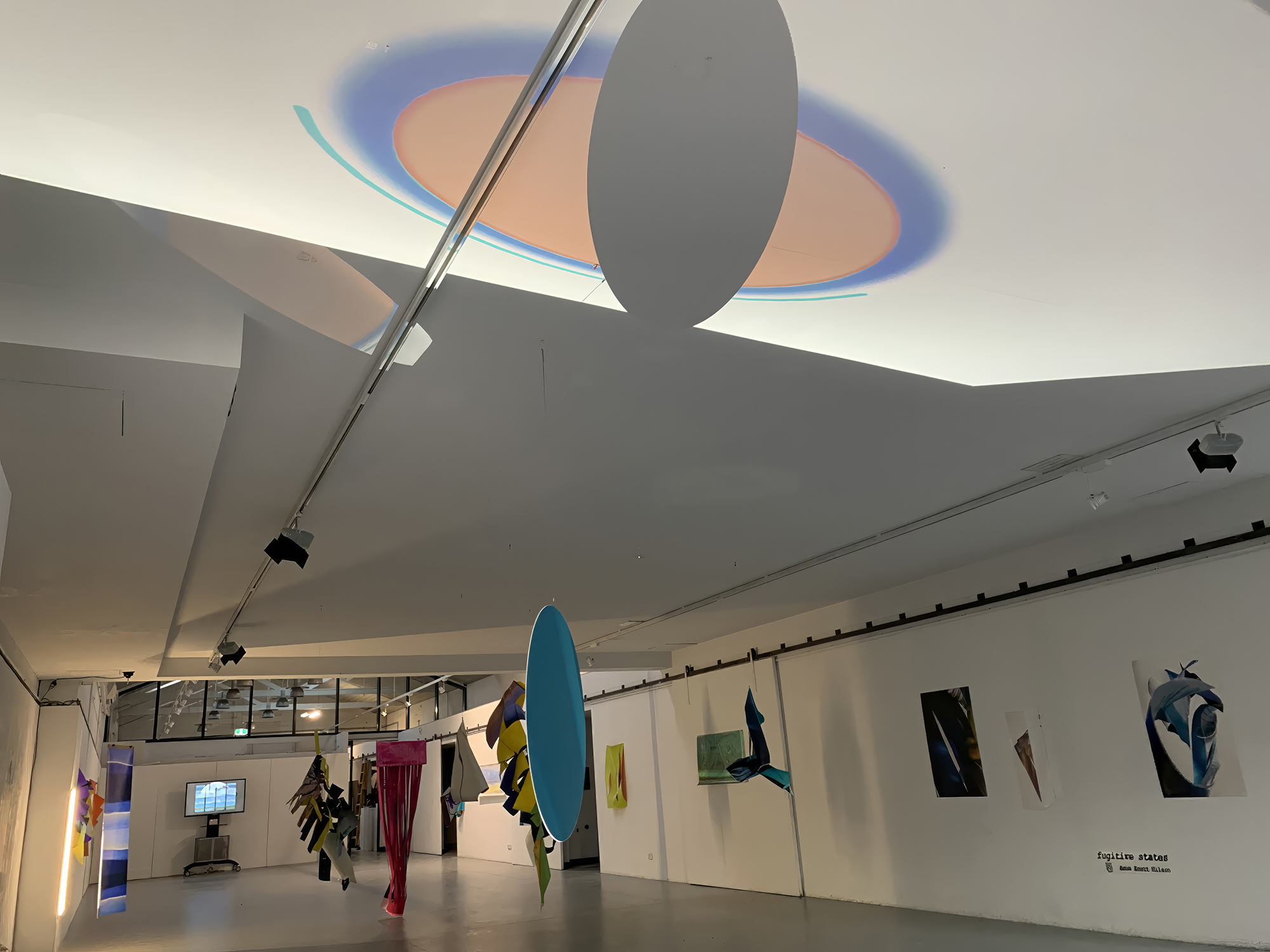
Installation view, Fugitive States exhibition
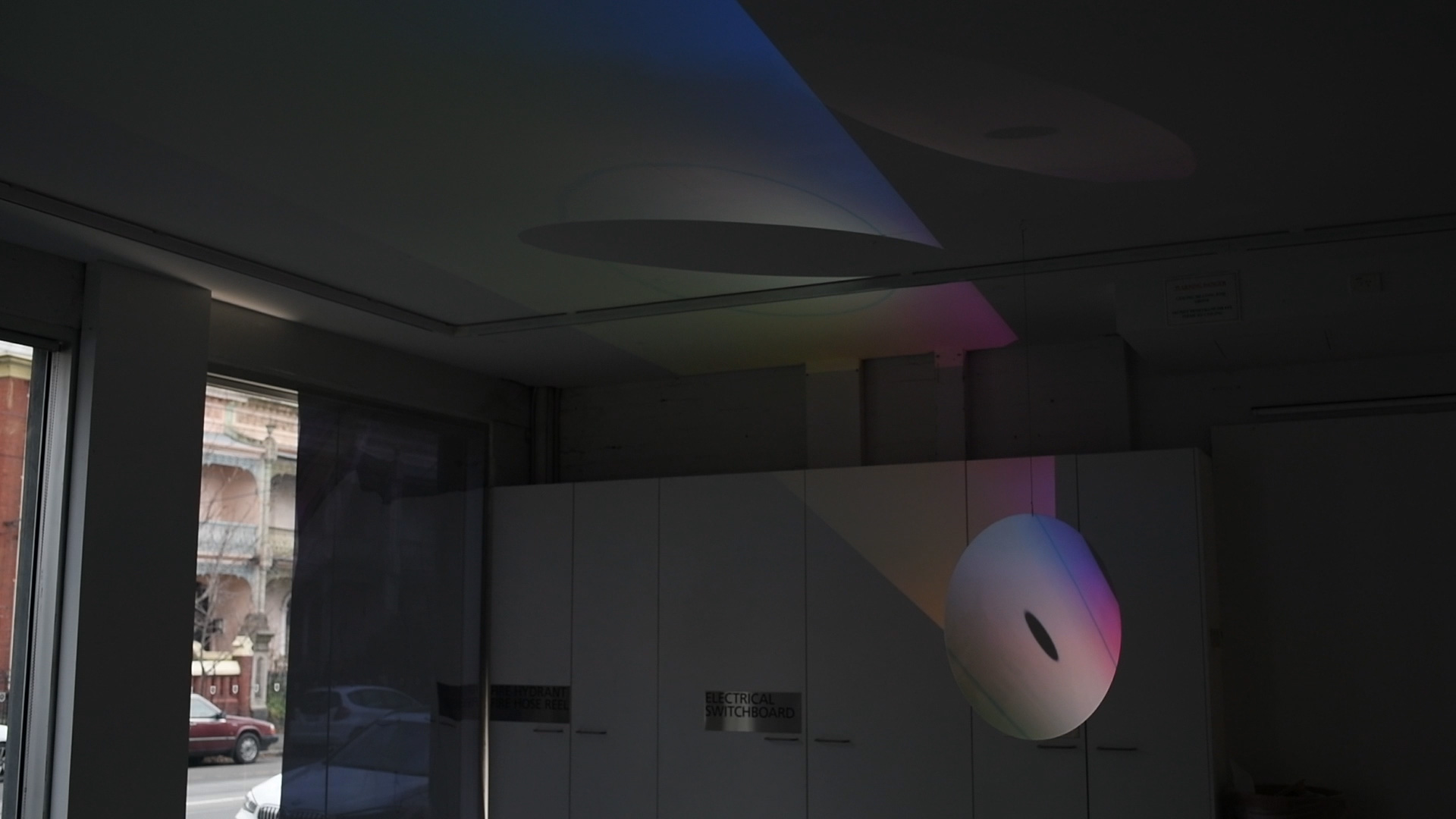
kinetic sculpture, acrylic disc approx 60 cms with video projection - self automated motion
Gallery installation view
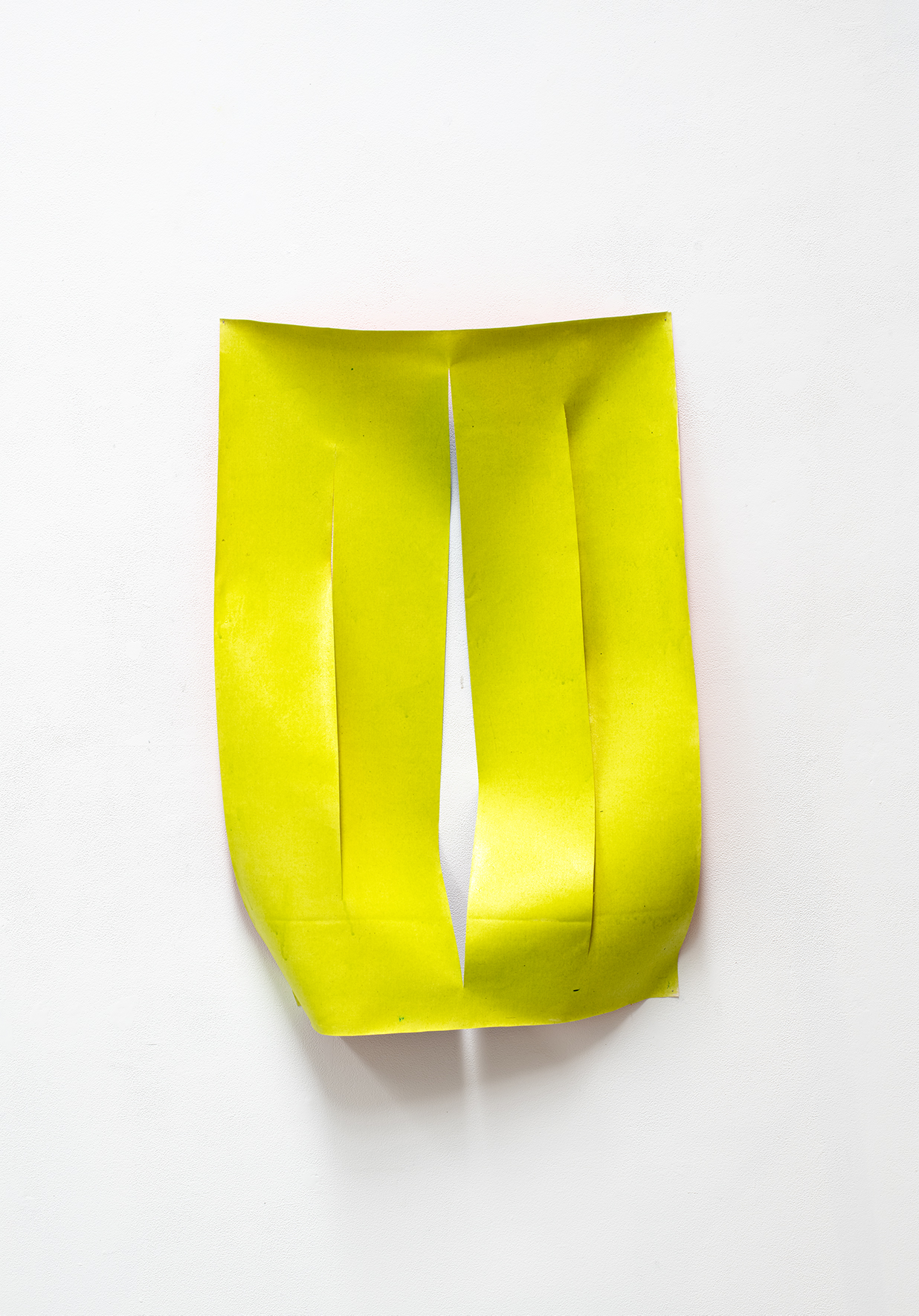
Installation documentation
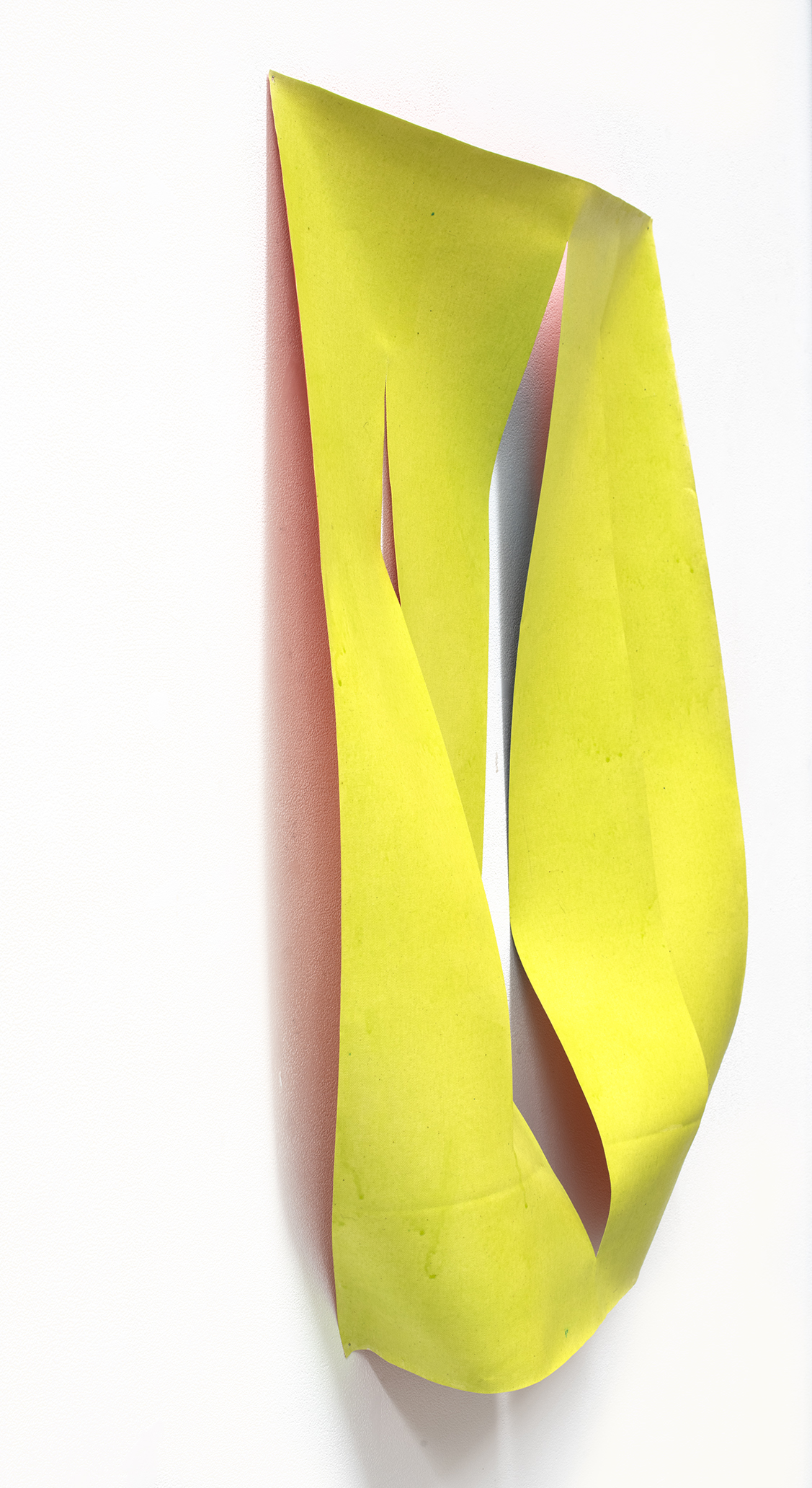
Exhibition view
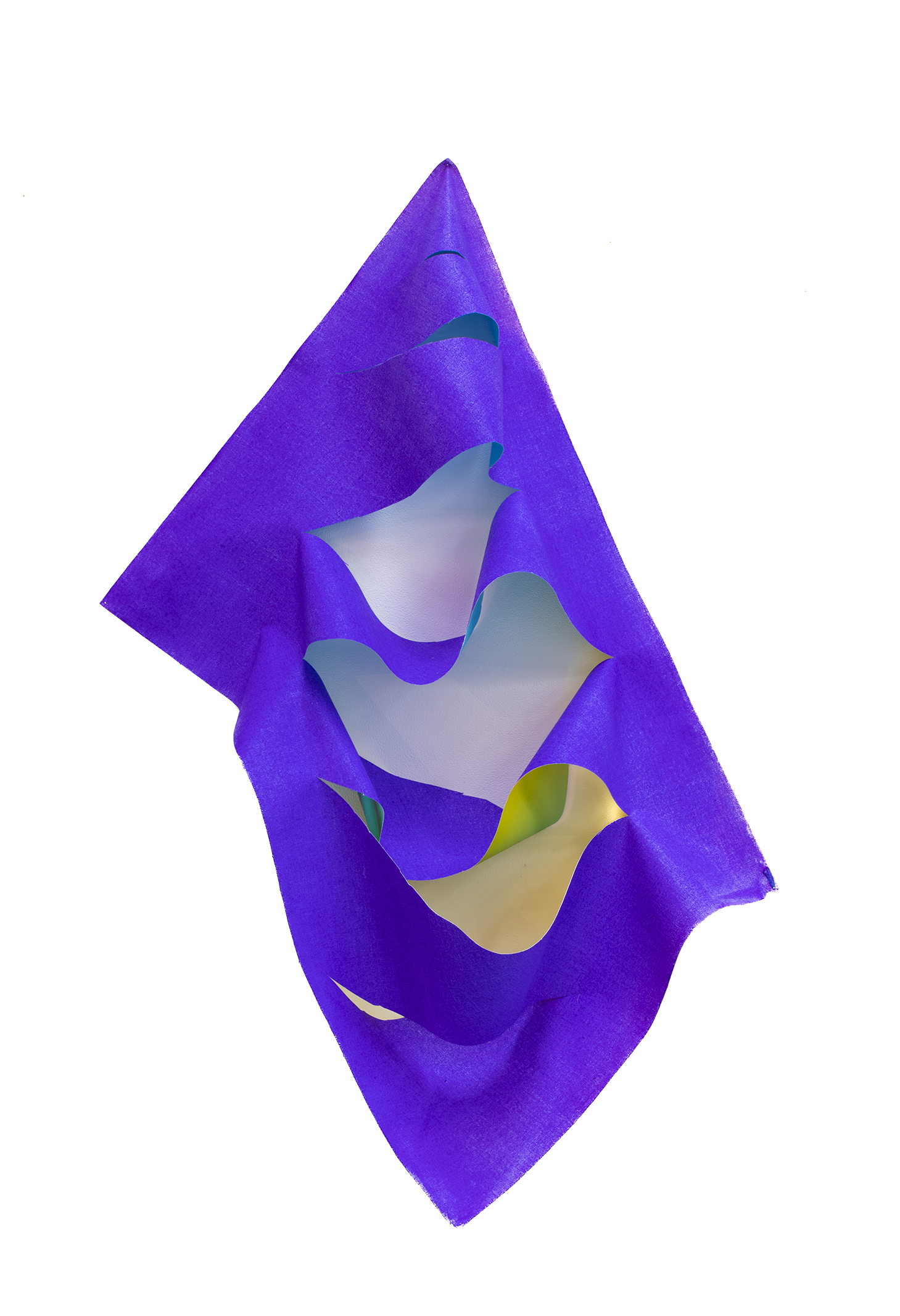
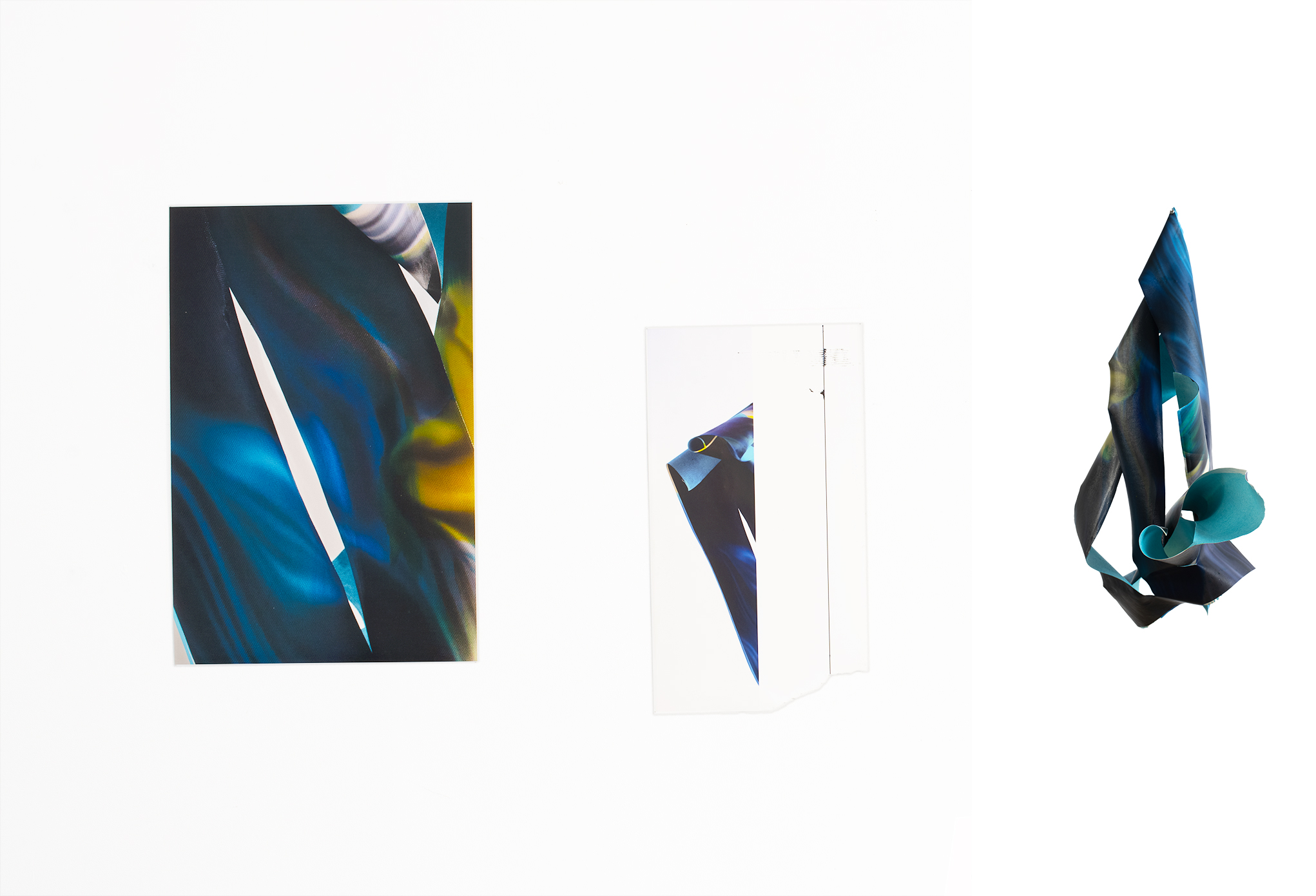
Photoshopping + ink, Dimensions variable, Inkjet print on daguerreotype canvas, ink
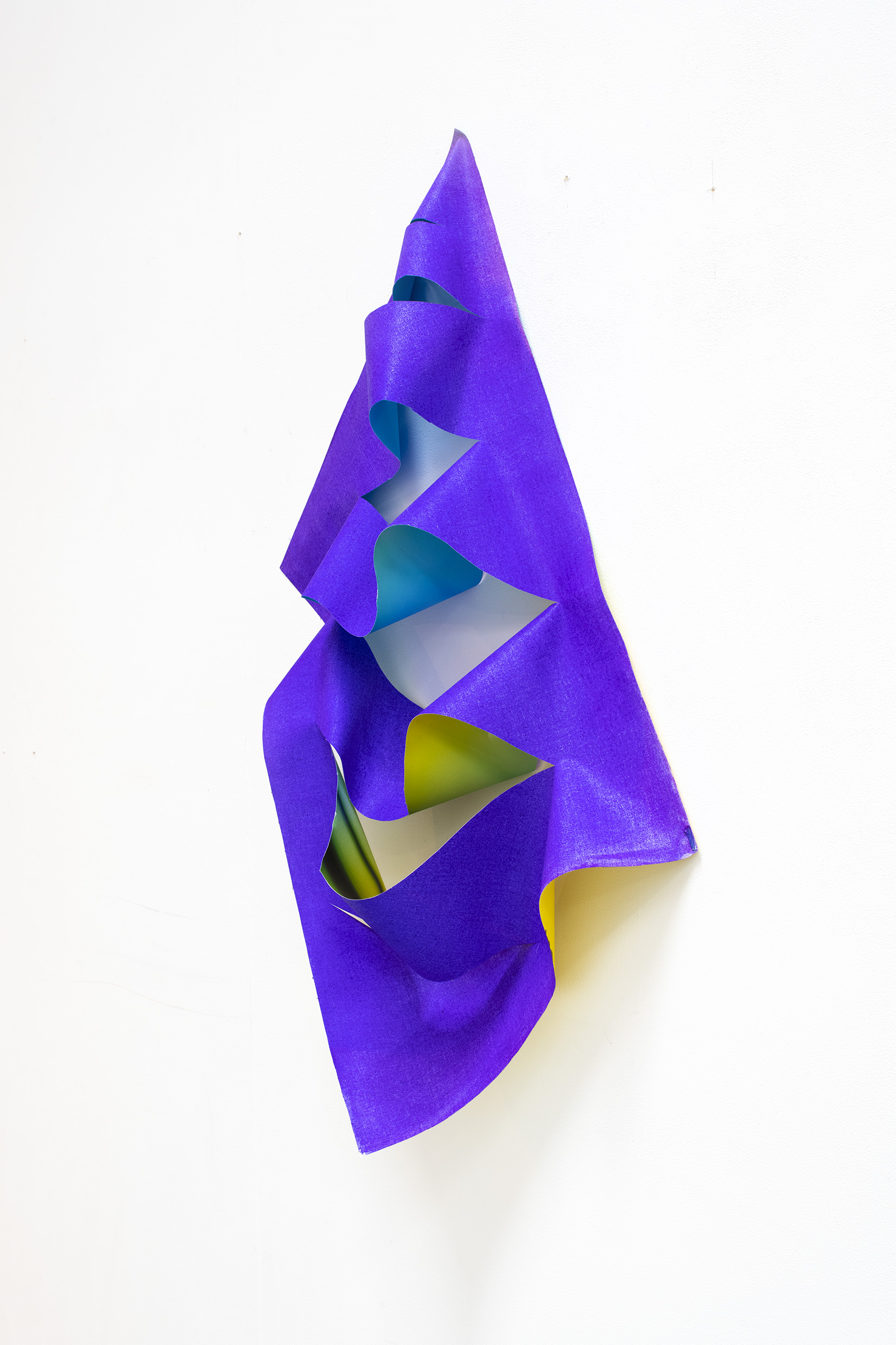
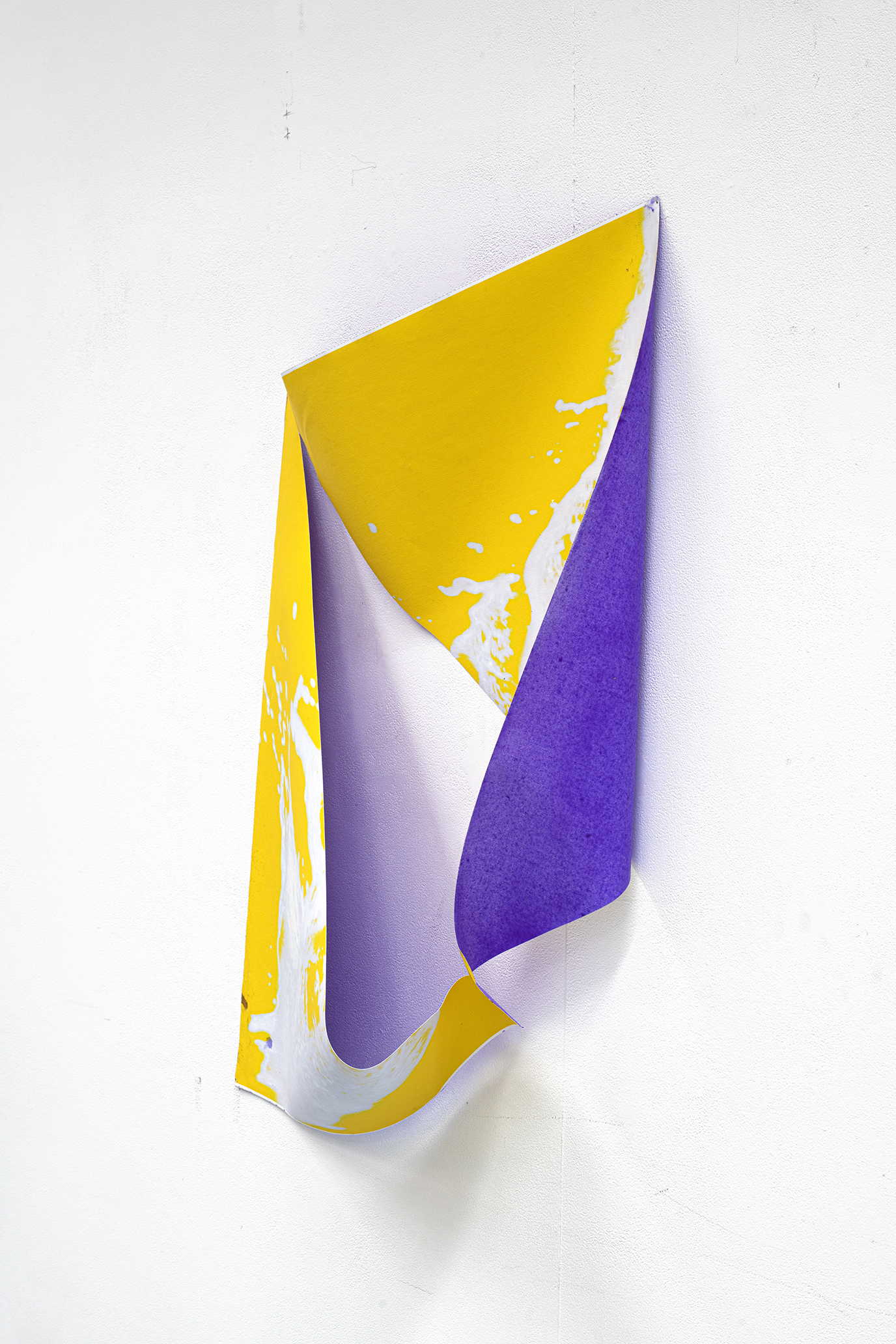
Limeslash, double sided inkjet print, ink, Dimensions variable on daguerreotype canvas
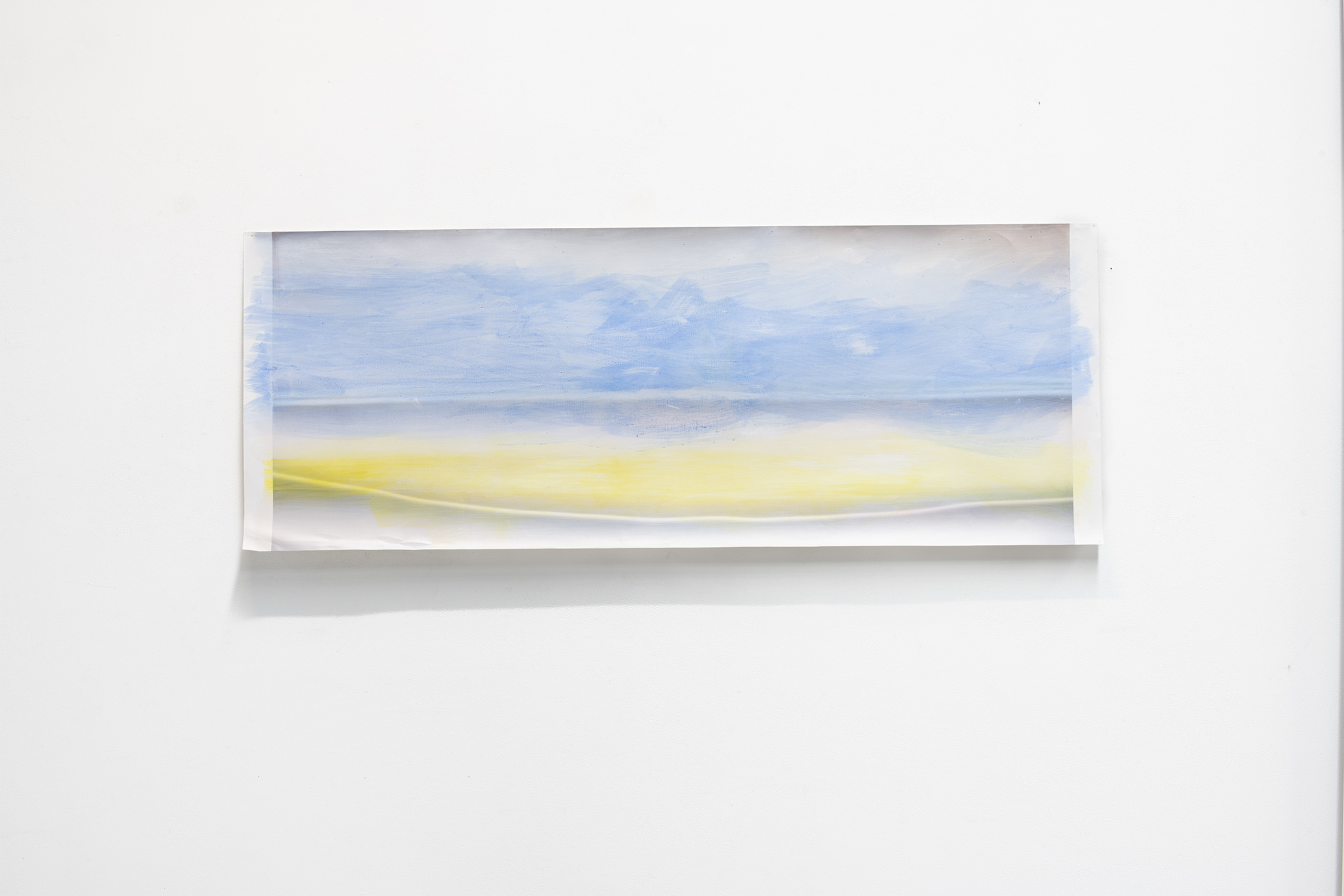
purpleslash, double sided inkjet print, ink, Dimensions variable on daguerreotype canvas
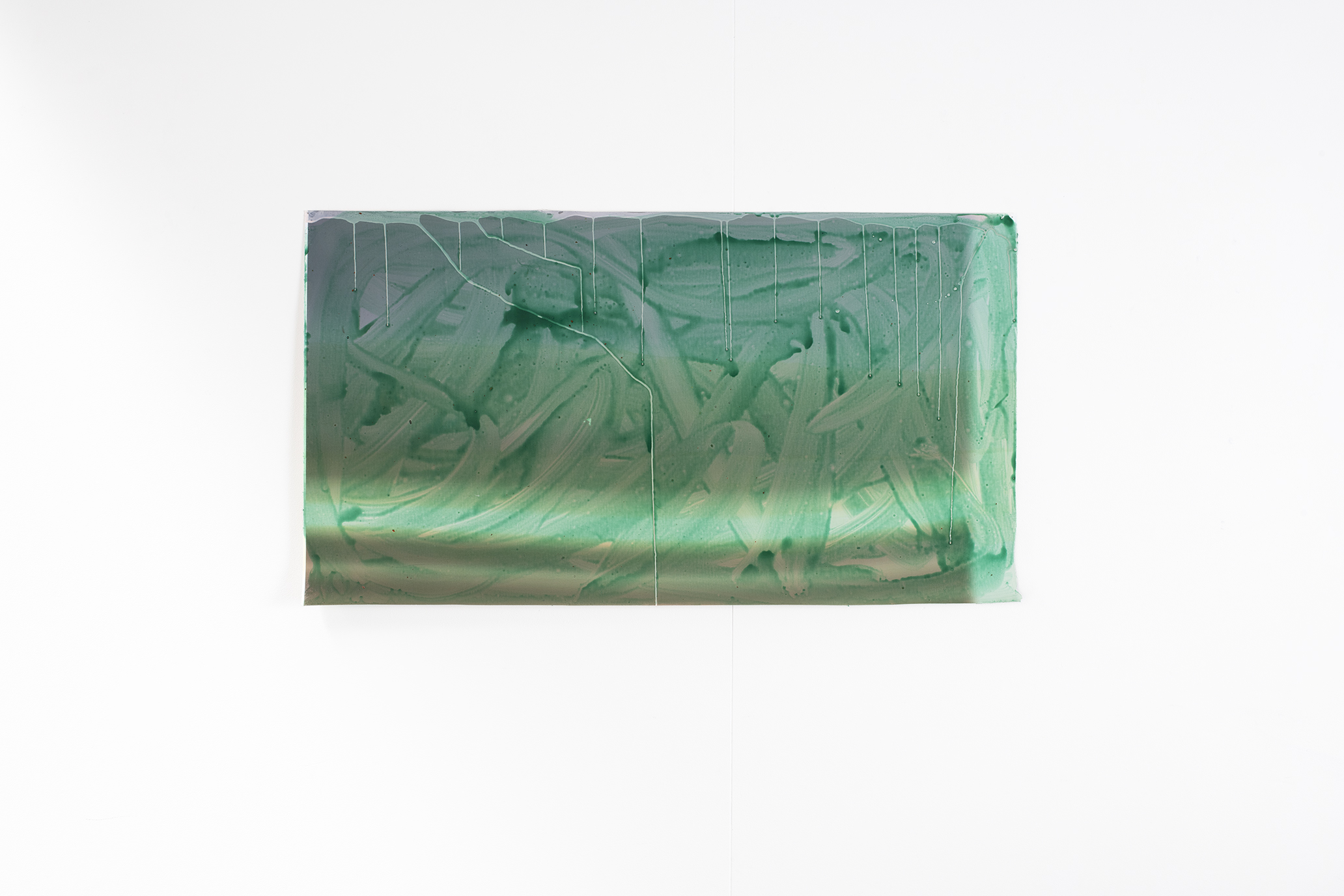
wishwash, inkjet print, ink, 60 x 145cm on daguerreotype canvas
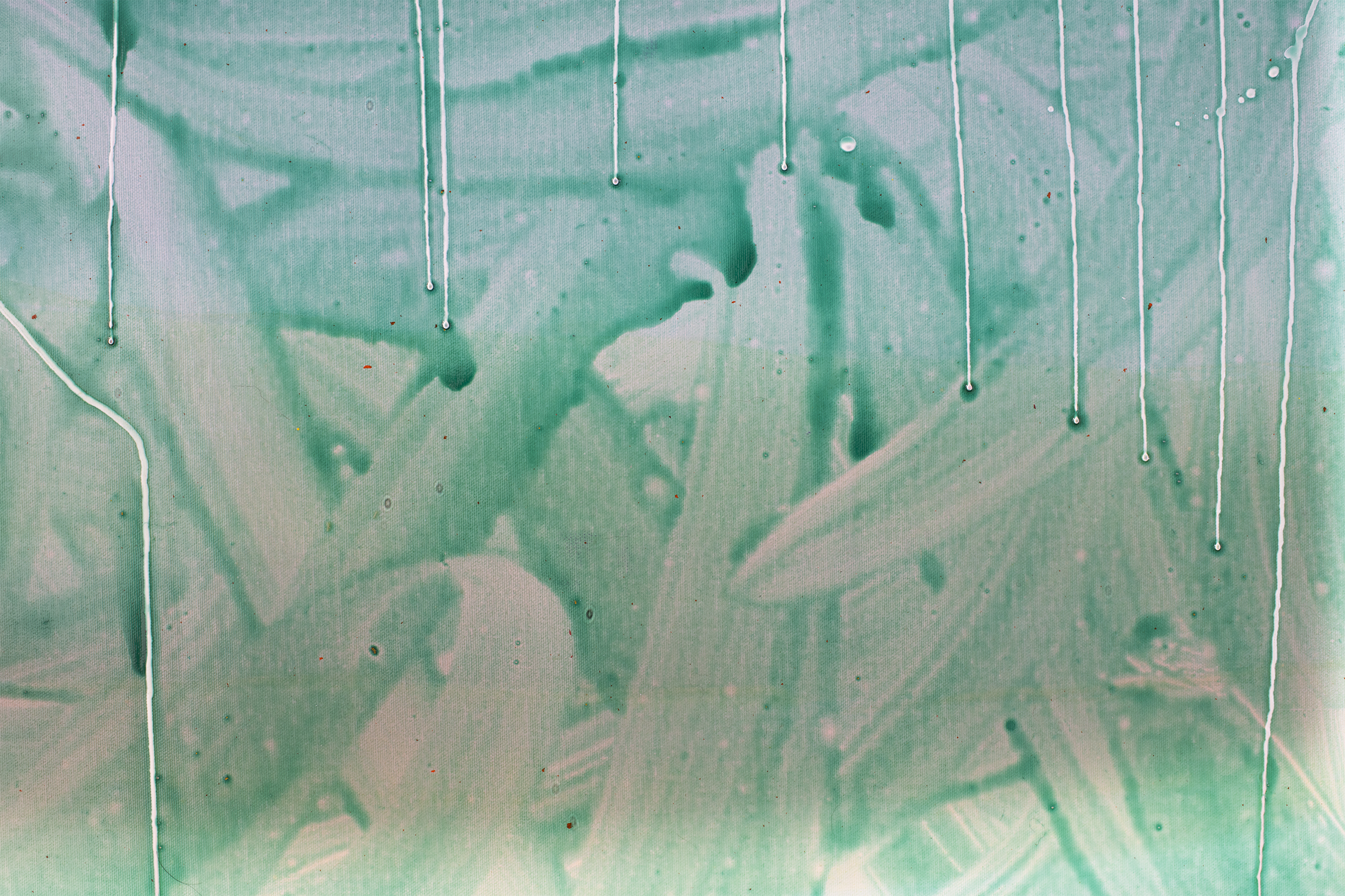
messygreengravity, inkjet print, ink, varnish, 60 x 120cm on daguerreotype canvas
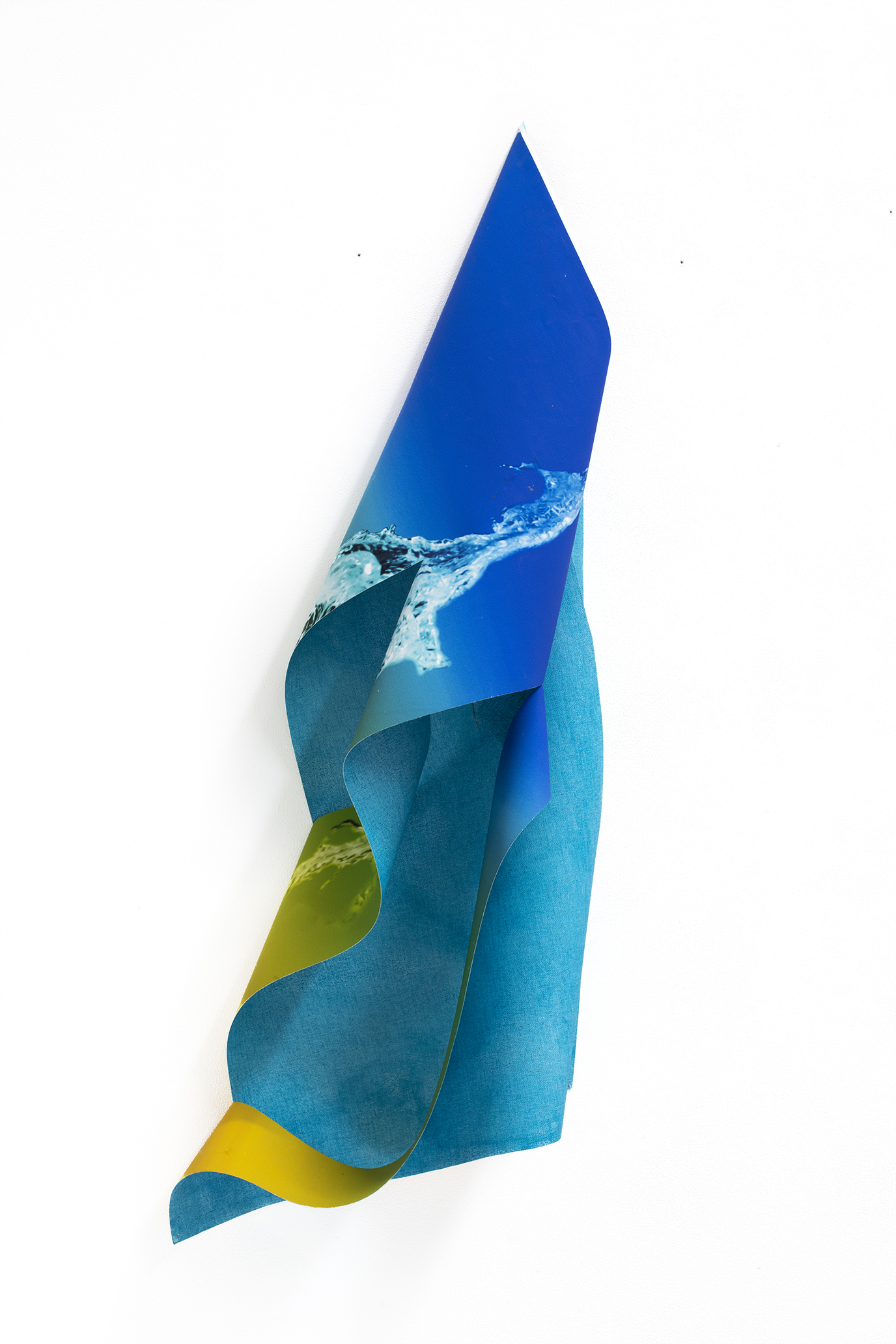
oceandrape, Double sided inkjet print, ink, varnish, Dimensions variable on daguerreotype canvas
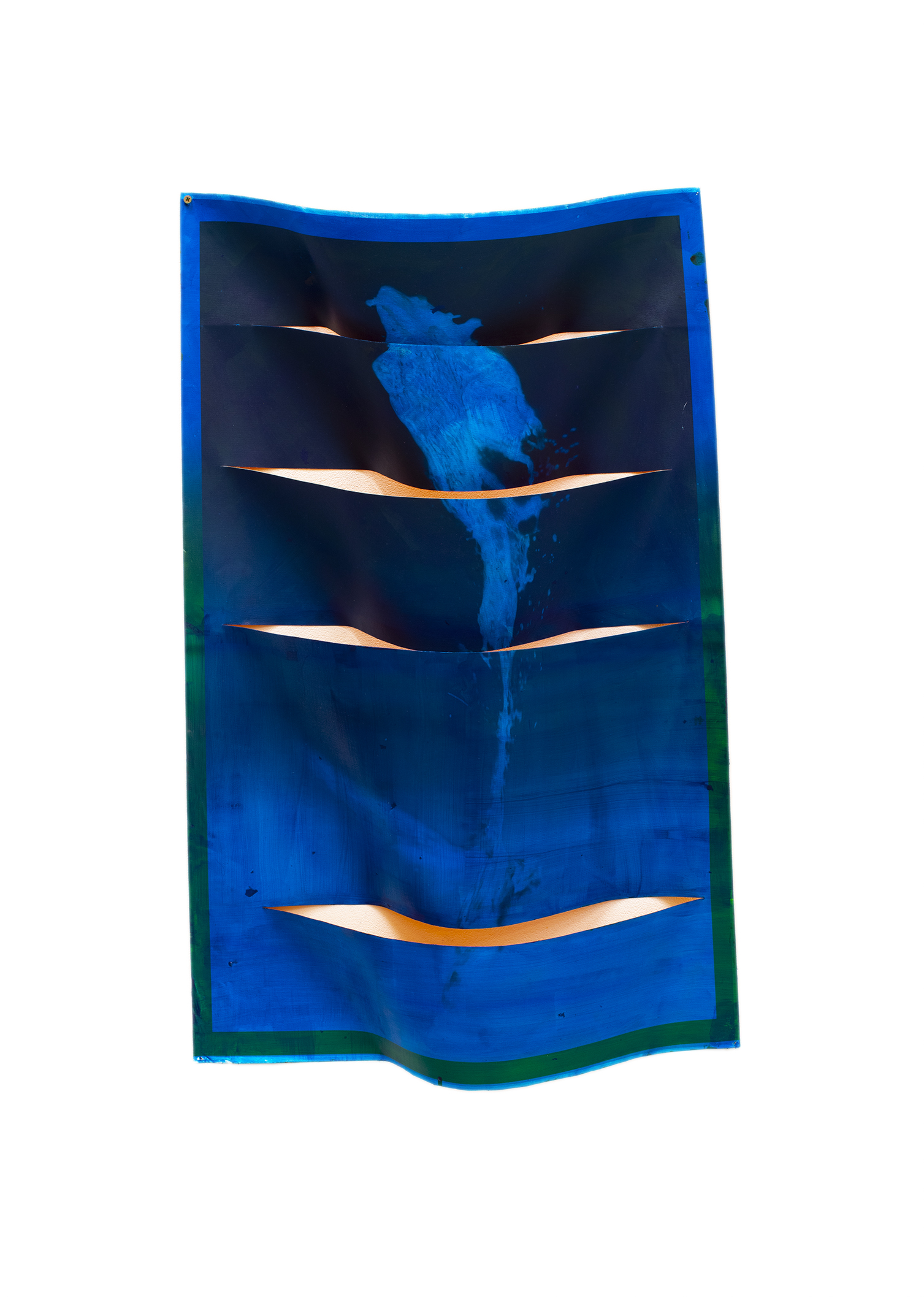
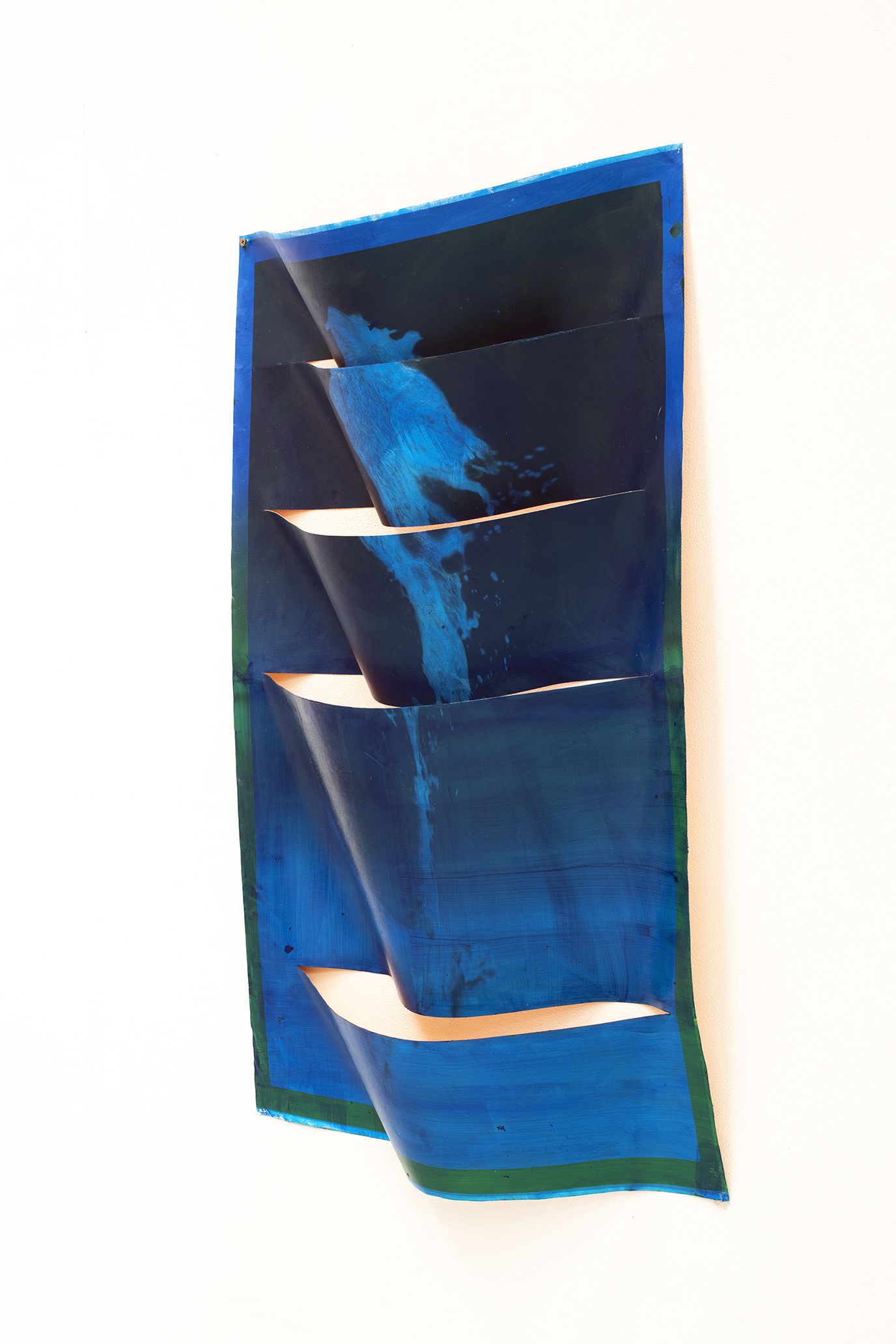
Slash photo/painting_after Morris, Double sided inkjet print, ink, varnish, Dimensions variable on daguerreotype canvas
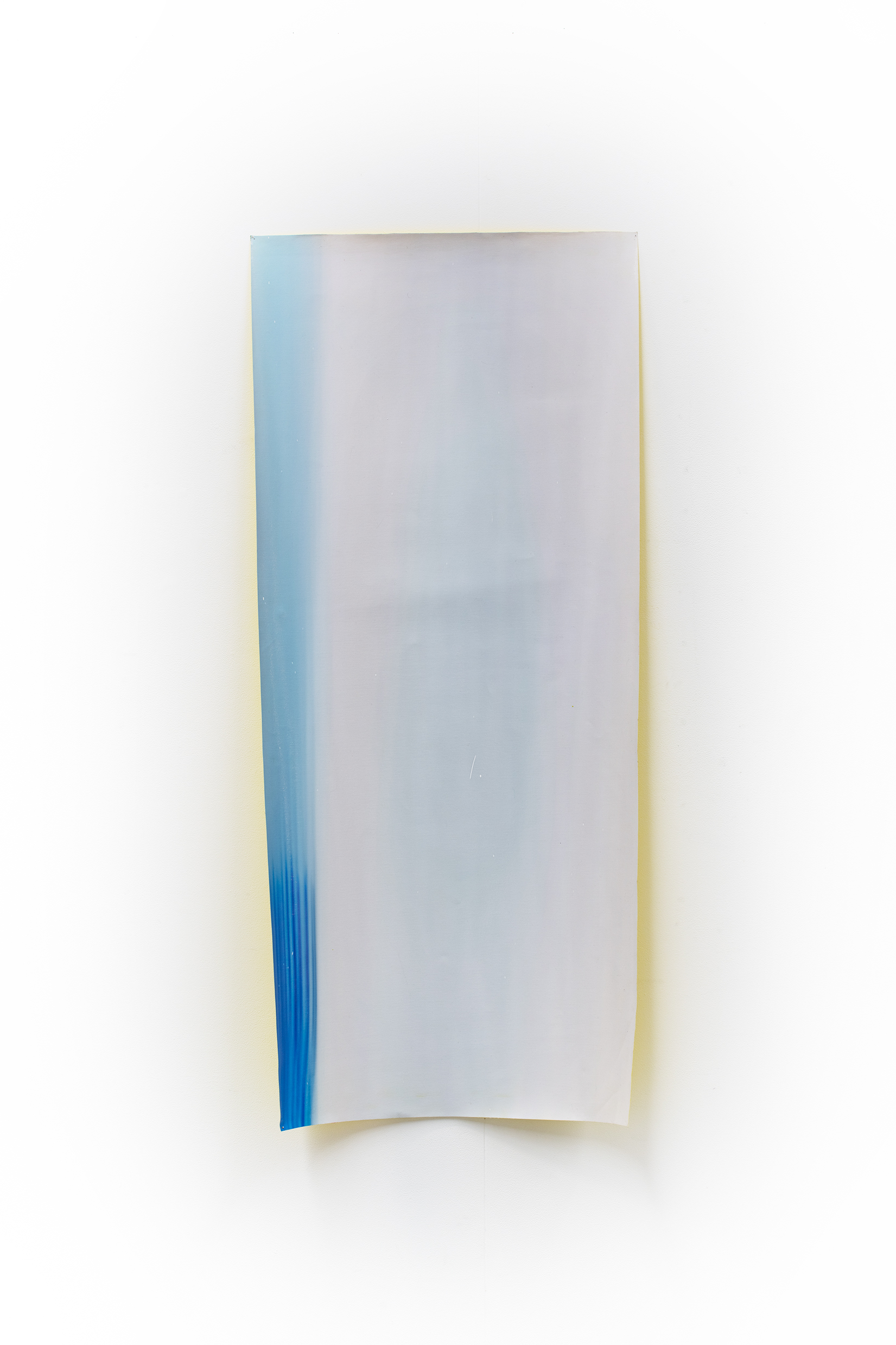
Fugue 2, Double sided inkjet print, ink, varnish, Pinhole image, 145 x 60cm on daguerreotype canvas
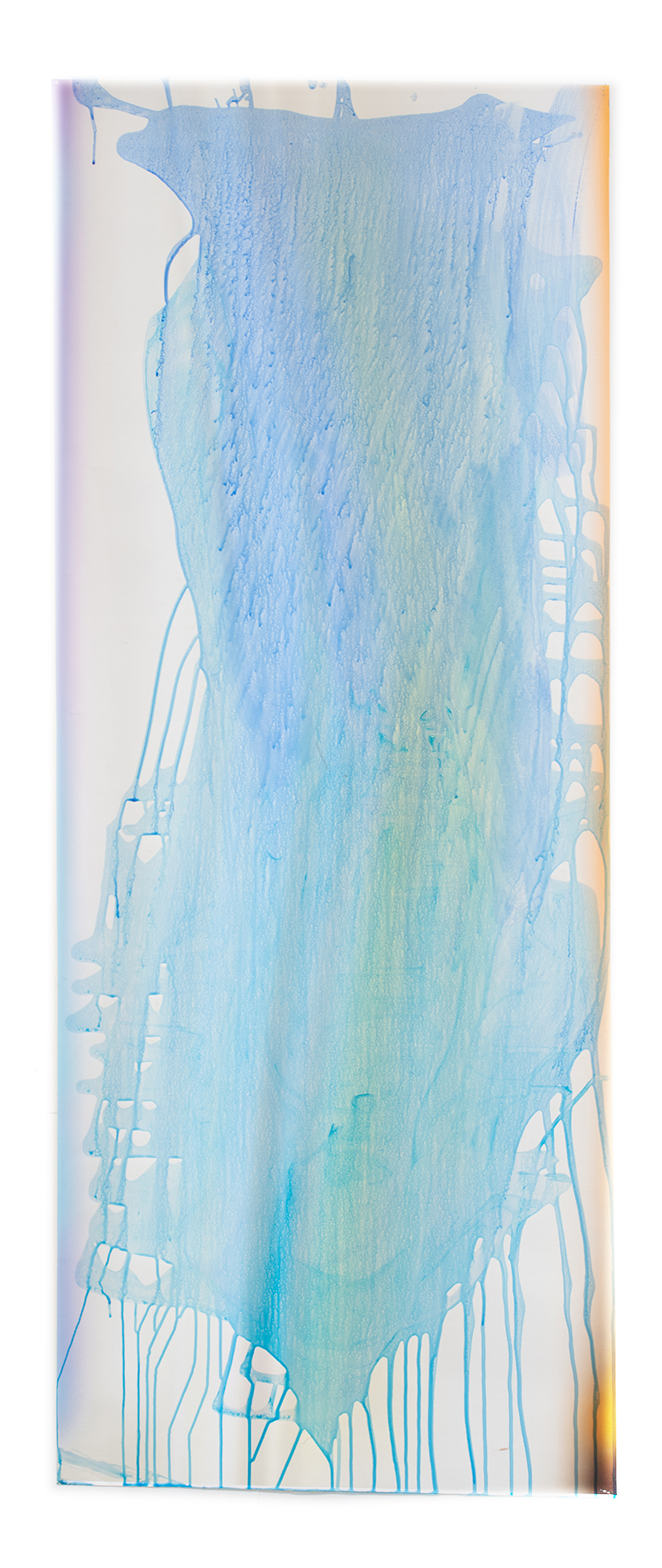
wishwash_vertical, Double sided inkjet print, ink, varnish, Pinhole image, 145 x 60cm on daguerreotype canvas
Installation detail
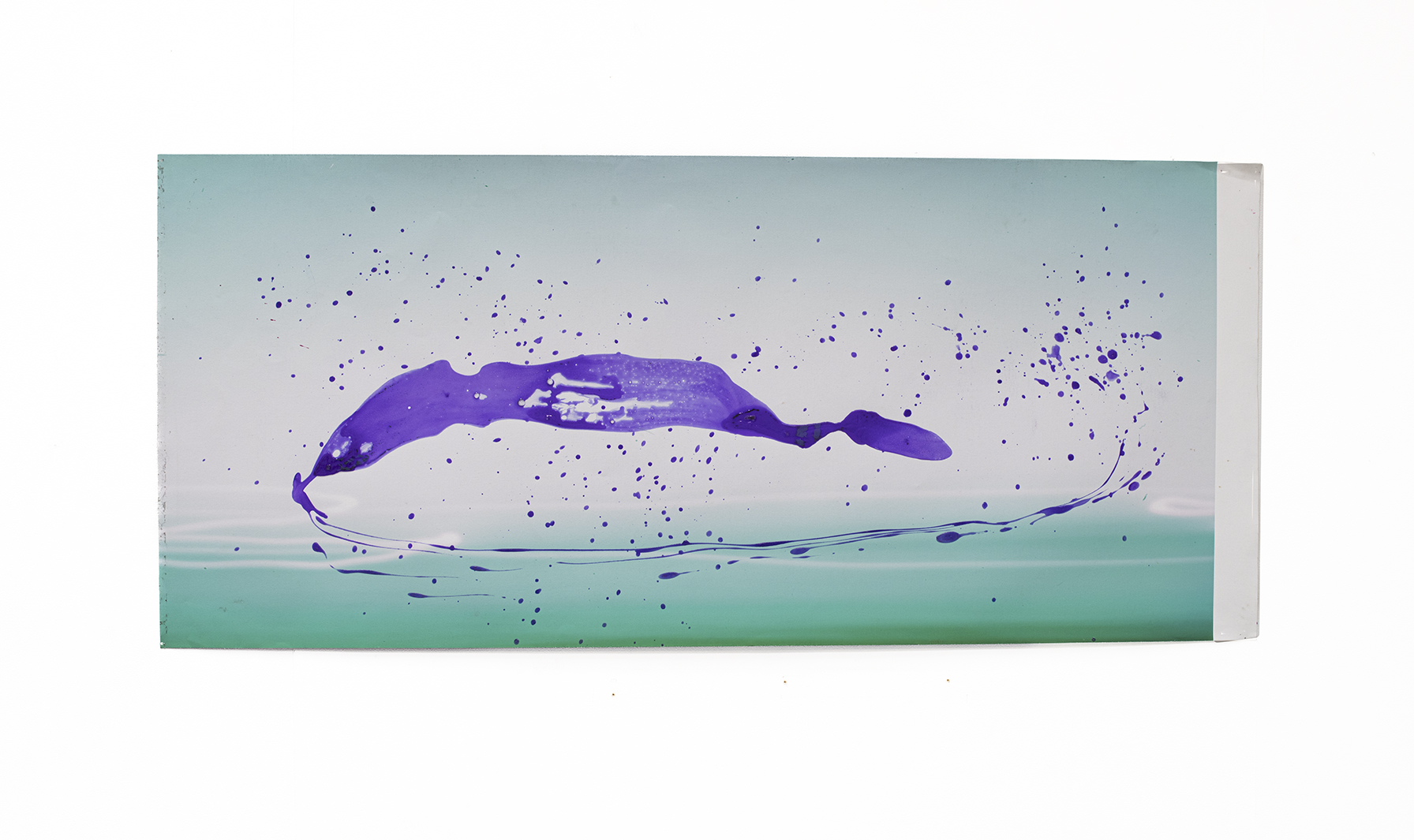
Artwork detail
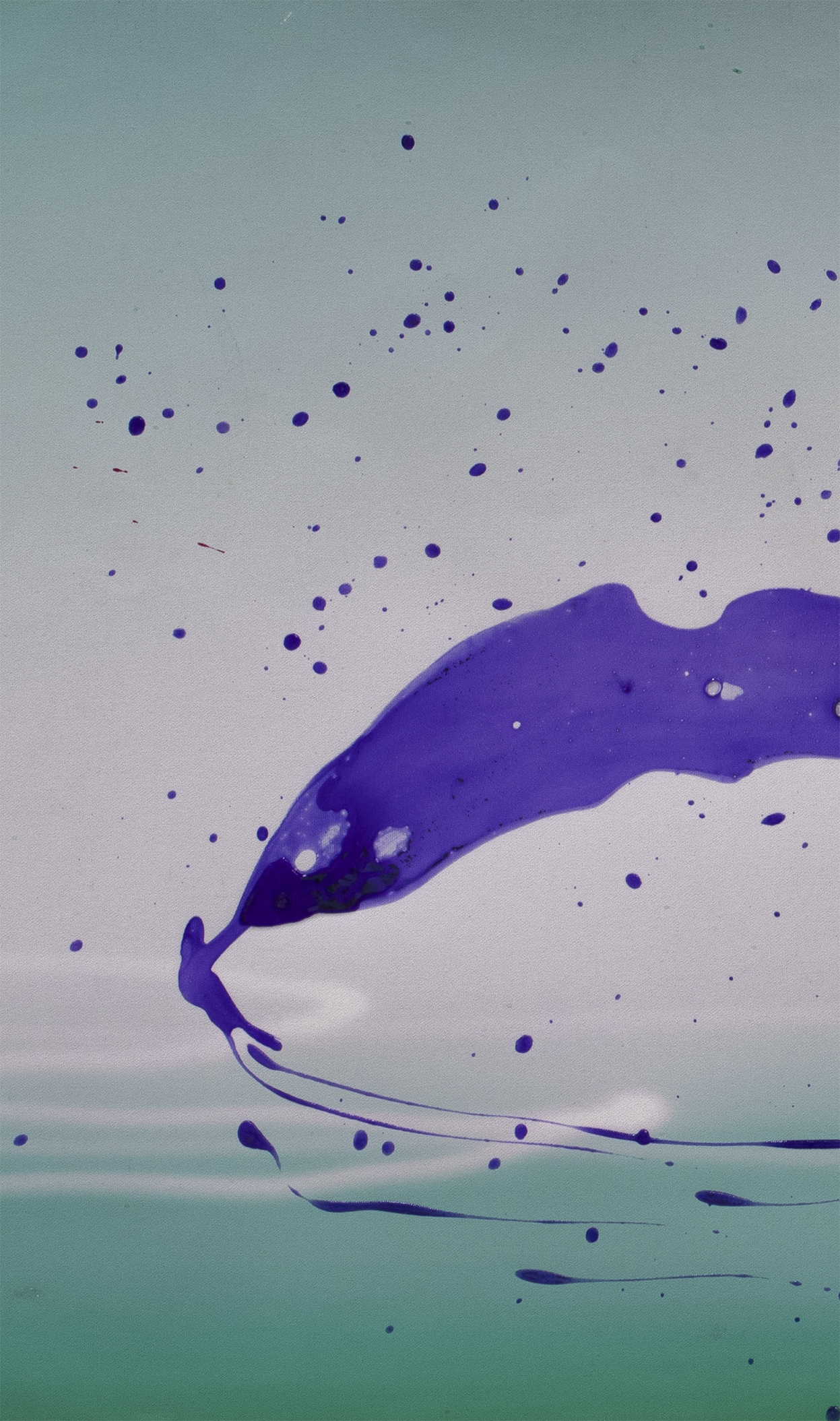
anthropmorphise, Pinhole inkjet print, ink, varnish, 60 x 145cms on daguerreotype canvas
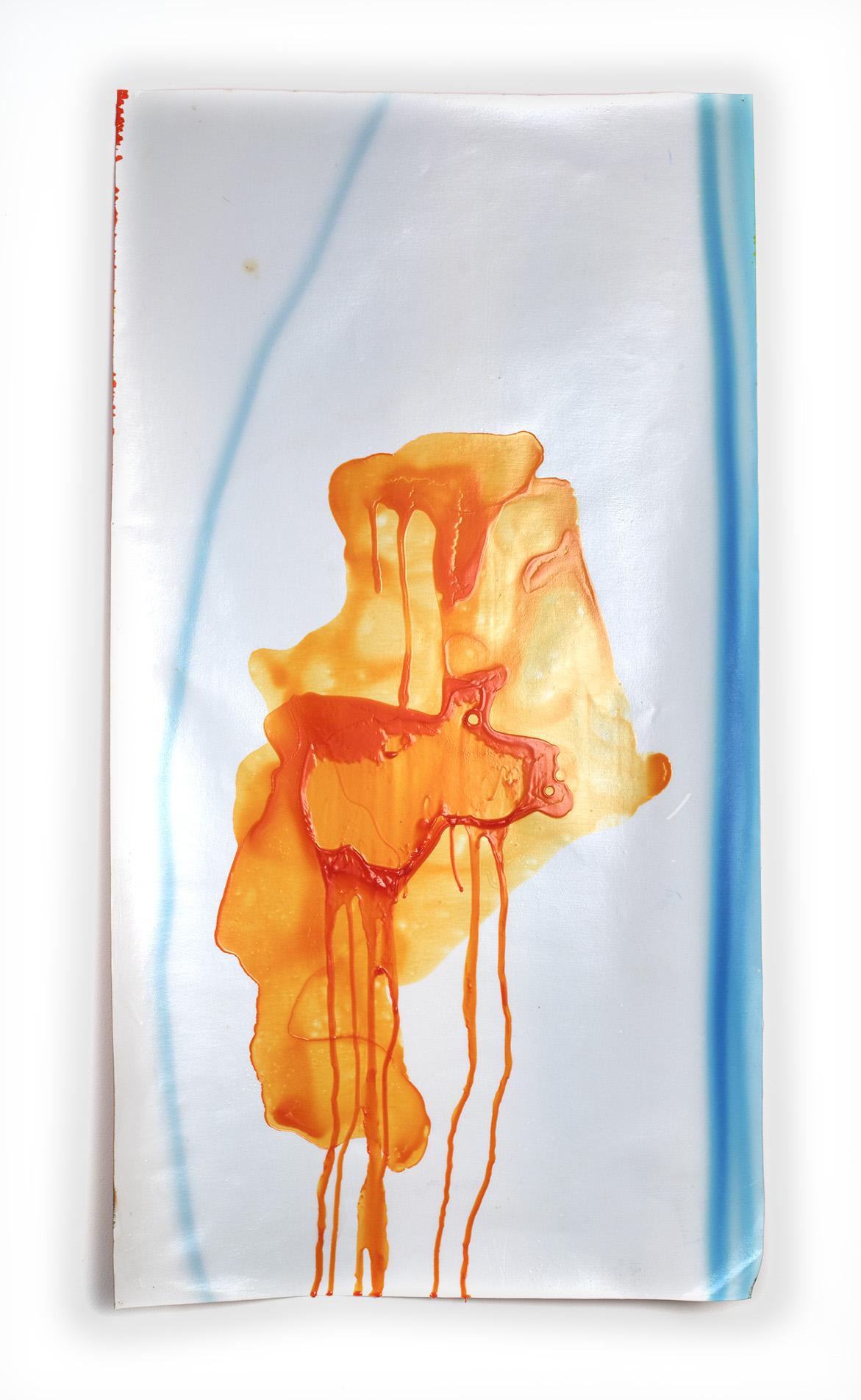
Pinhole orange_gravity, Double sided inkjet print, ink, varnish, 145 x 60cm on daguerreotype canvas
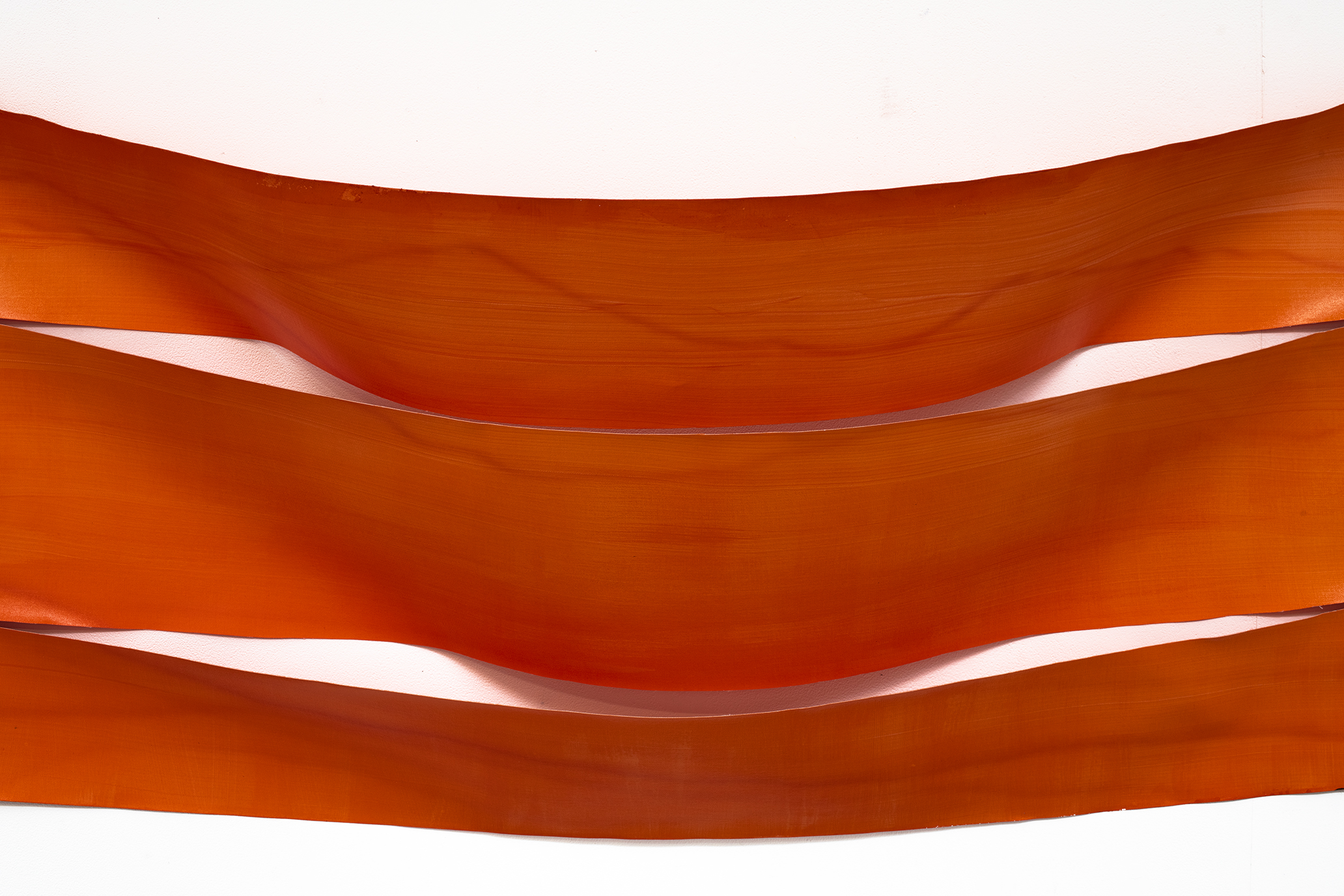
Artwork detail
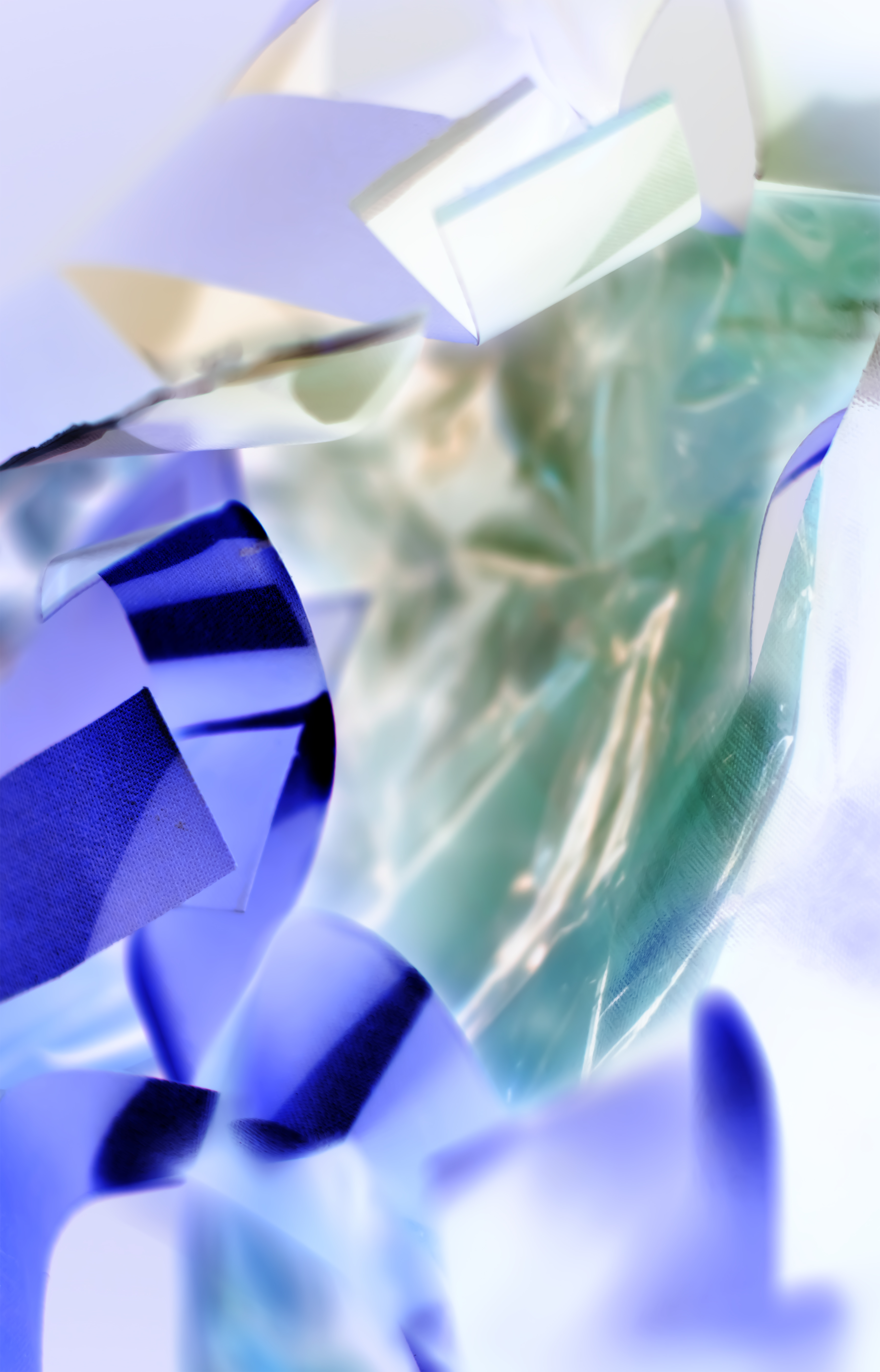
Orange slash after morris, Double sided inkjet print, ink, varnish, Pinhole image, 60 x 120cms on daguerreotype canvas
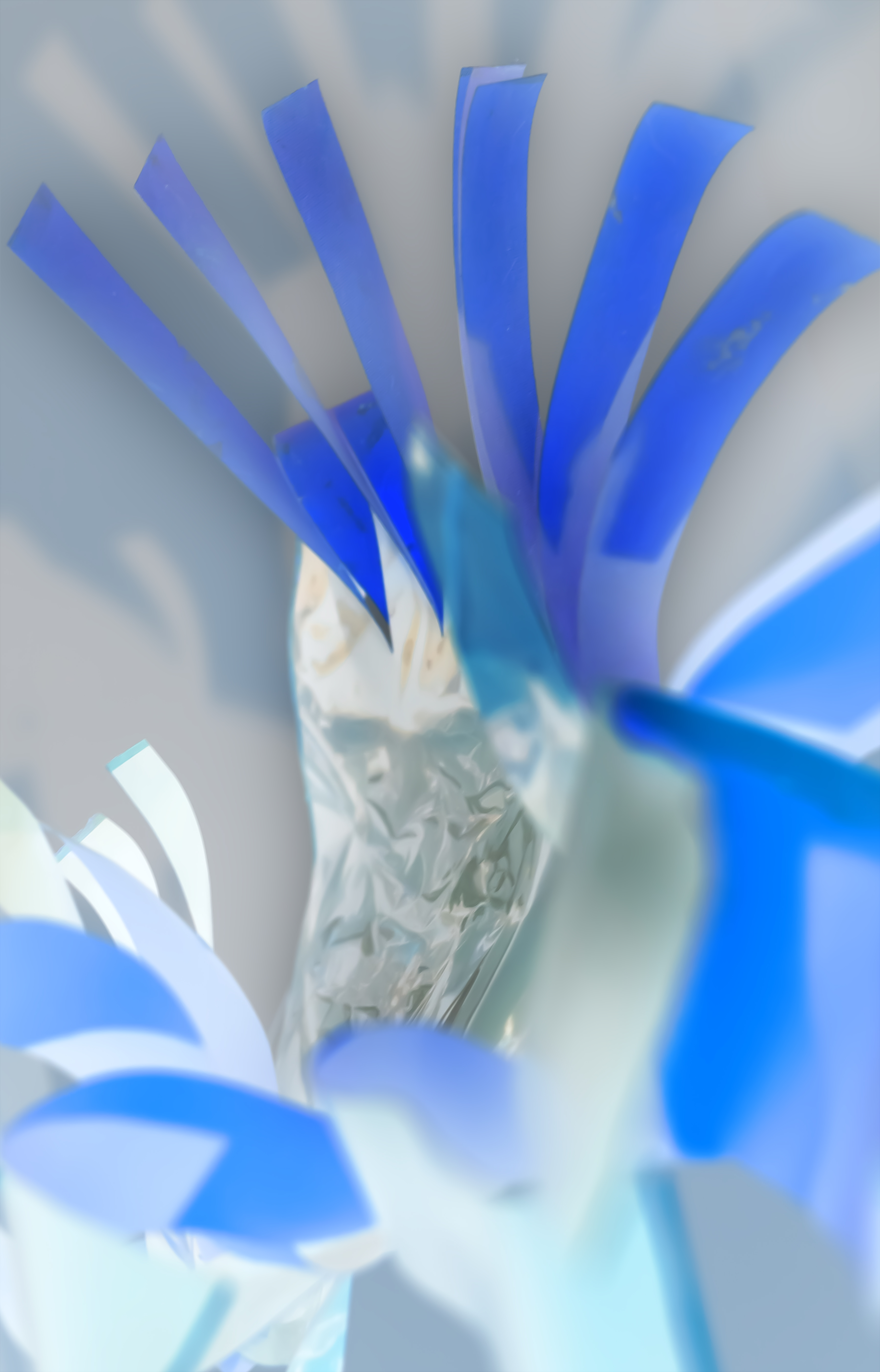
Exhibition documentation
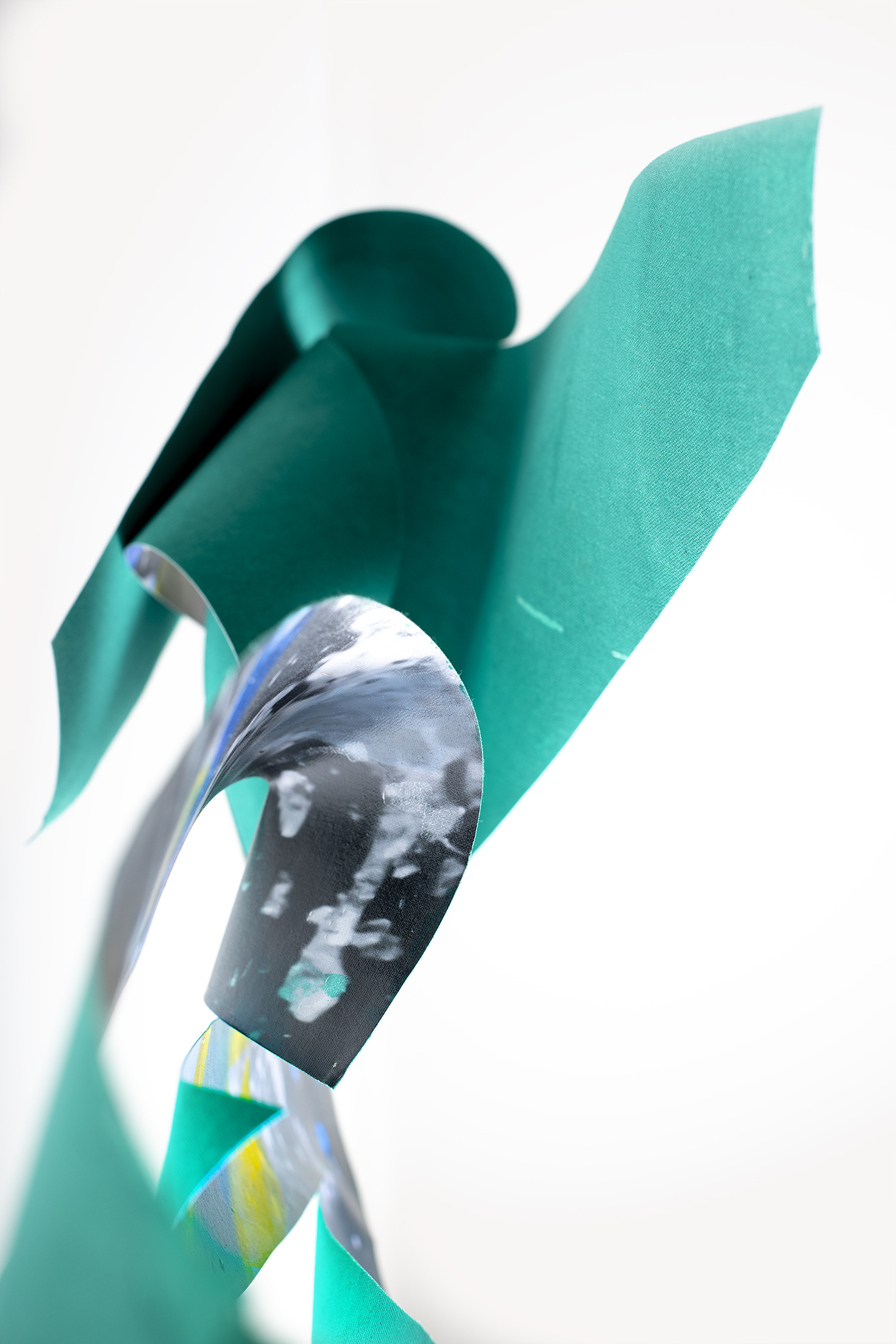
Mimetics - pinhole photo sculpture photo

bluegold001, inkjet print, ink, varnish 240 x 60 cms, Inkjet print on 340gsm Hahnemühle daguerreotype canvas
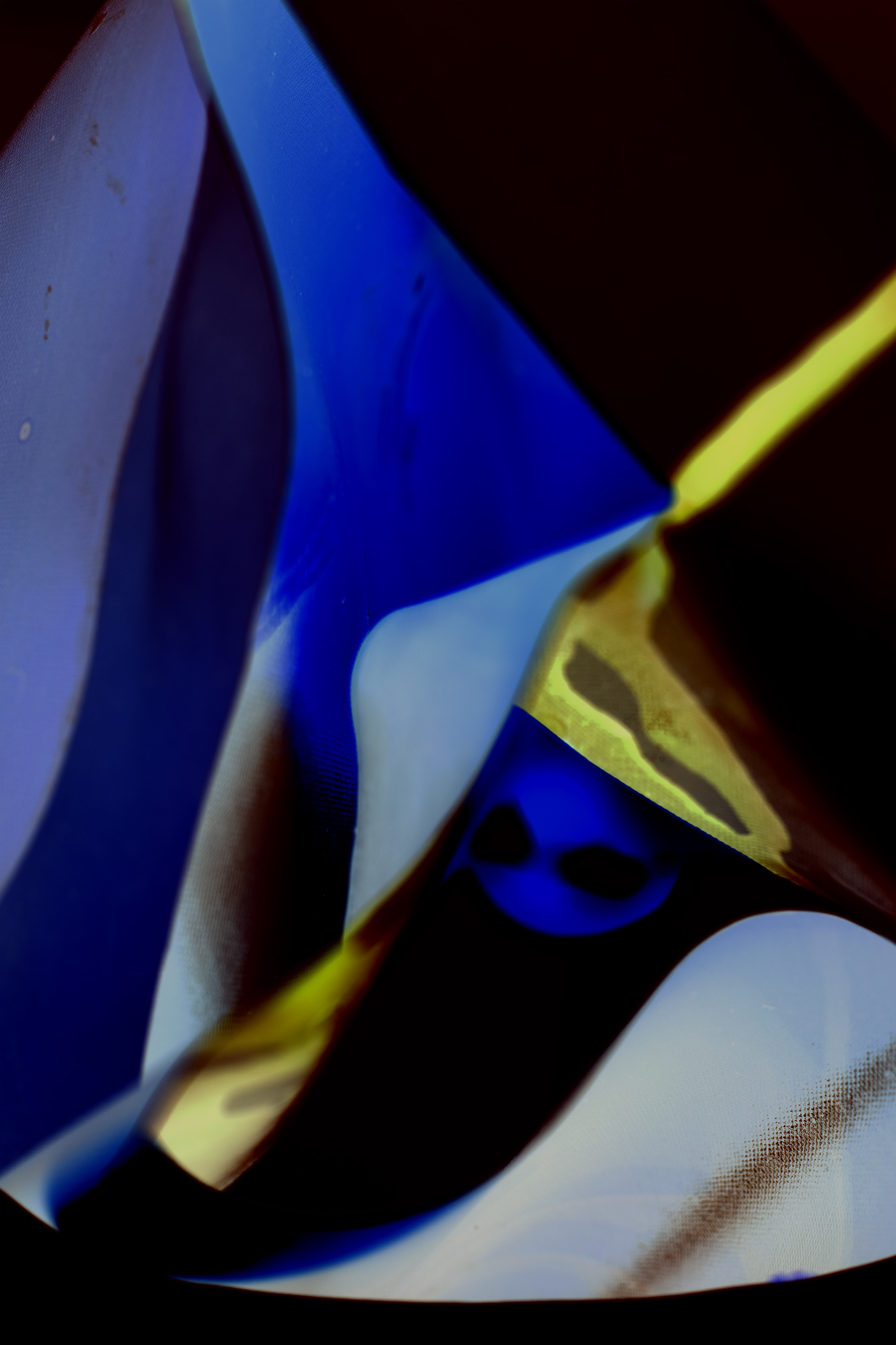
bluegold002, inkjet print, ink, varnish 240 x 60 cms, Inkjet print on 340gsm Hahnemühle daguerreotype canvas
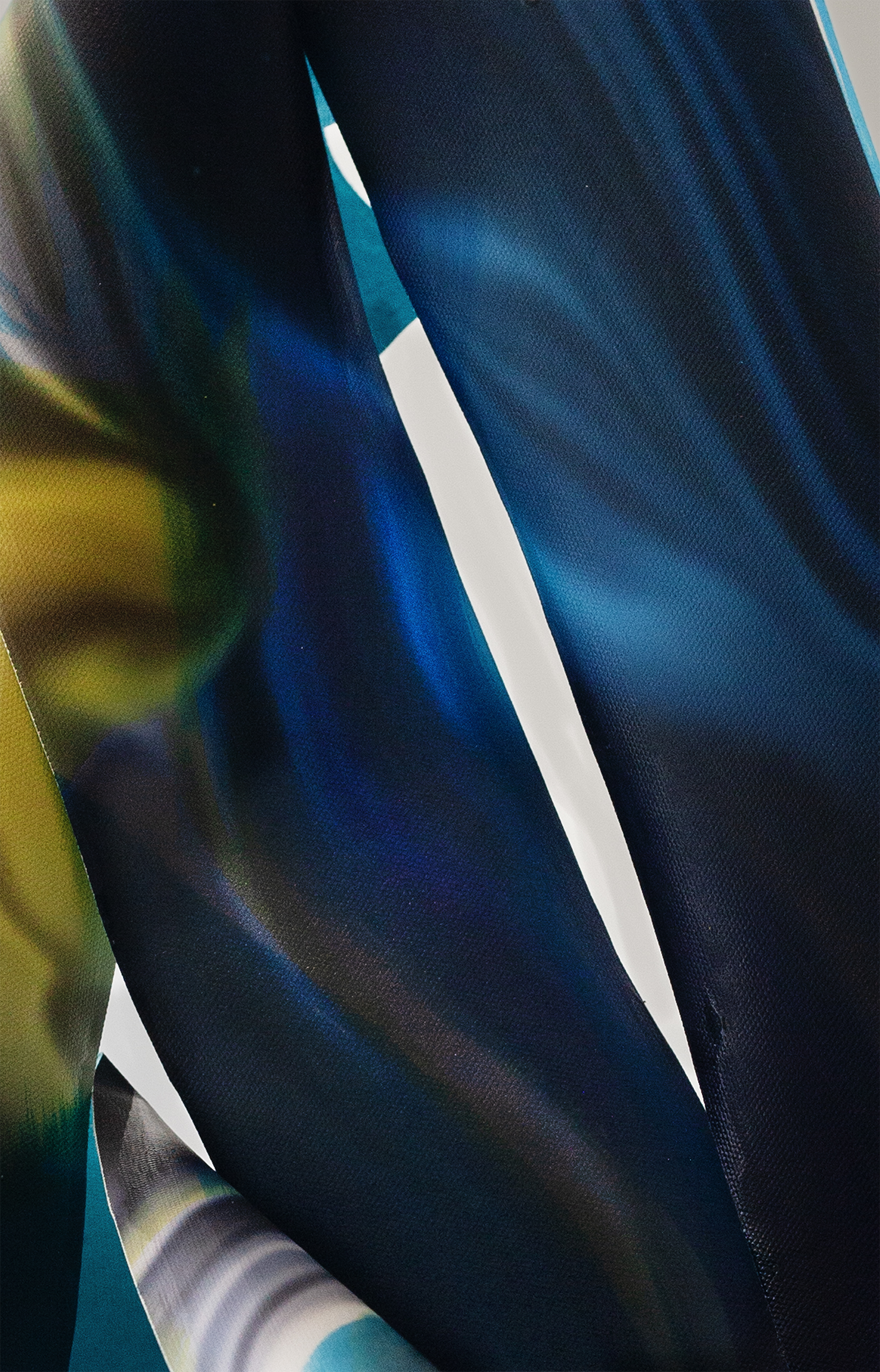
Installation view, Mimetics series
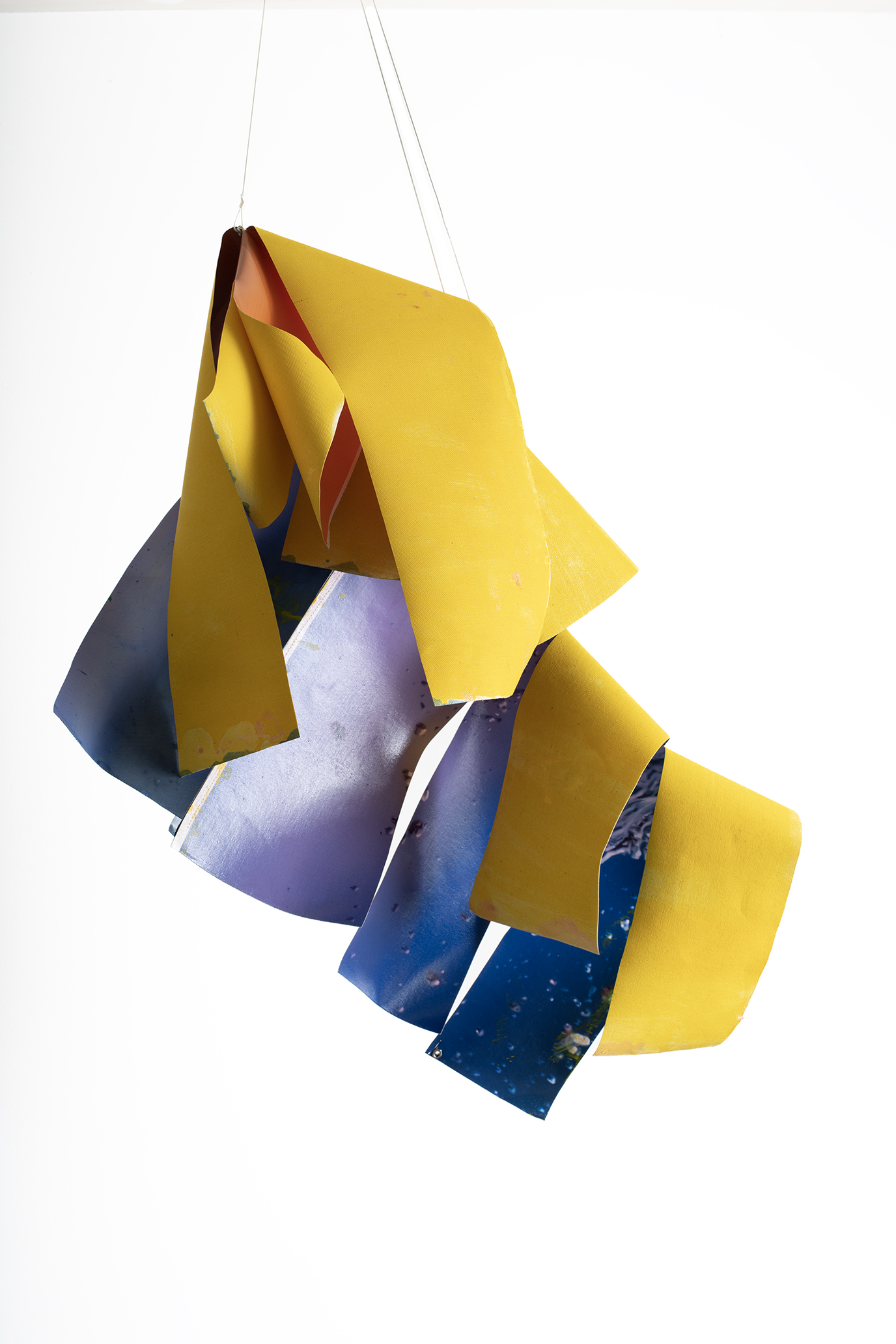
bluegold003, inkjet print, ink, varnish 240 x 60 cms, Inkjet print on 340gsm Hahnemühle daguerreotype canvas
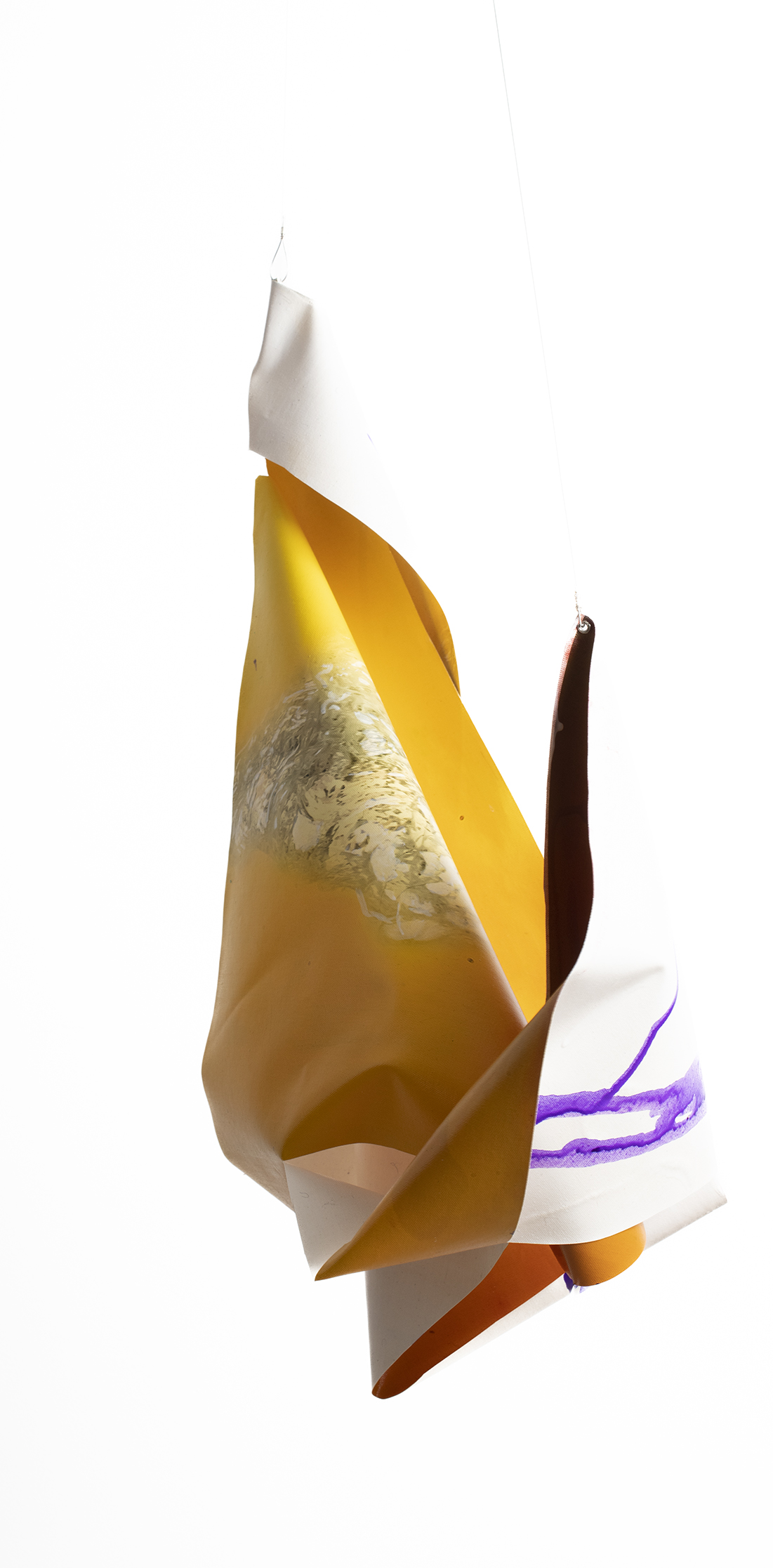
blueblack001, Inkjet Print, ink, varnish 240 X 60 cms, 340gsm Hahnemühle Daguerreotype Canvas
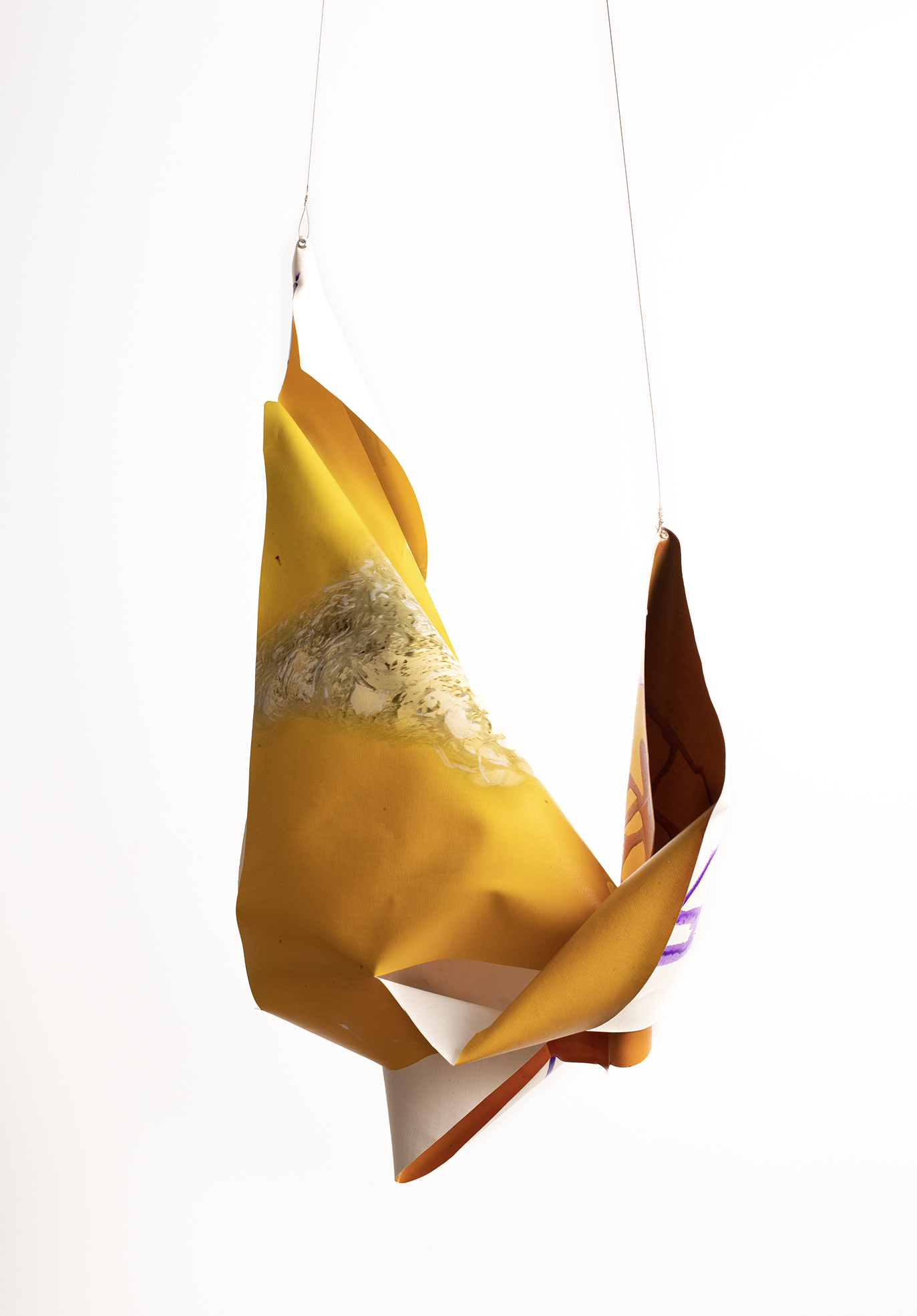
Exhibition documentation
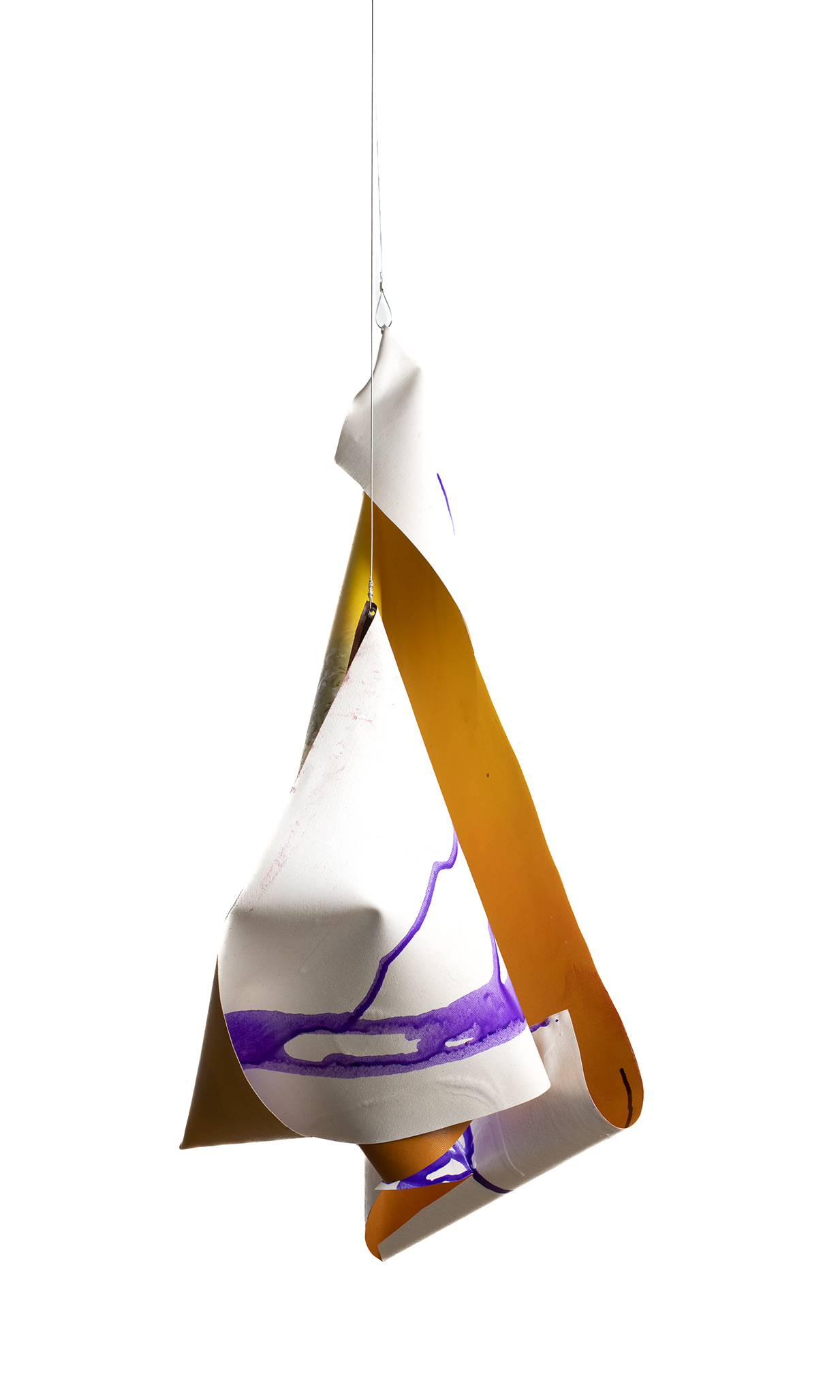
Installation detail
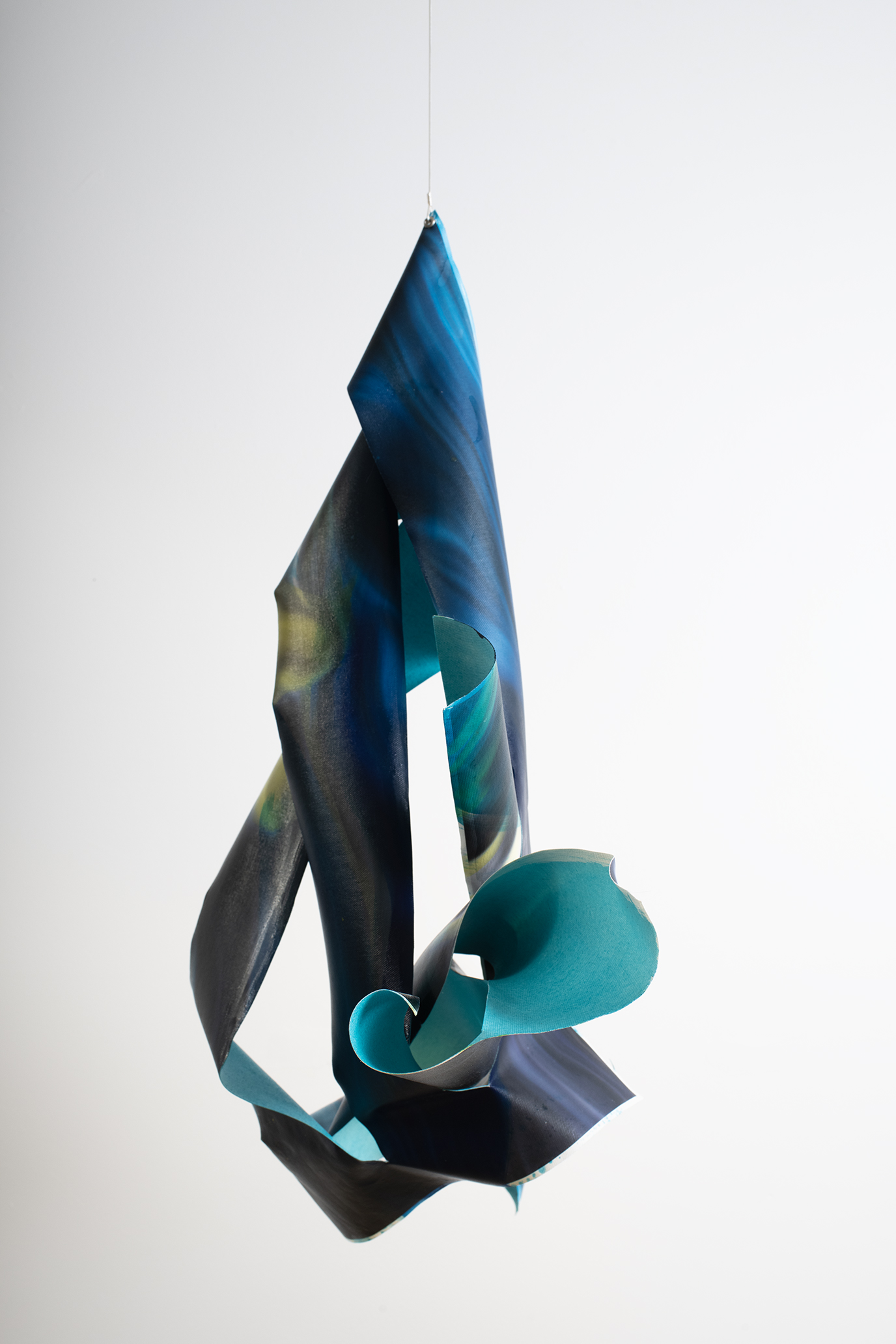
Exhibition view
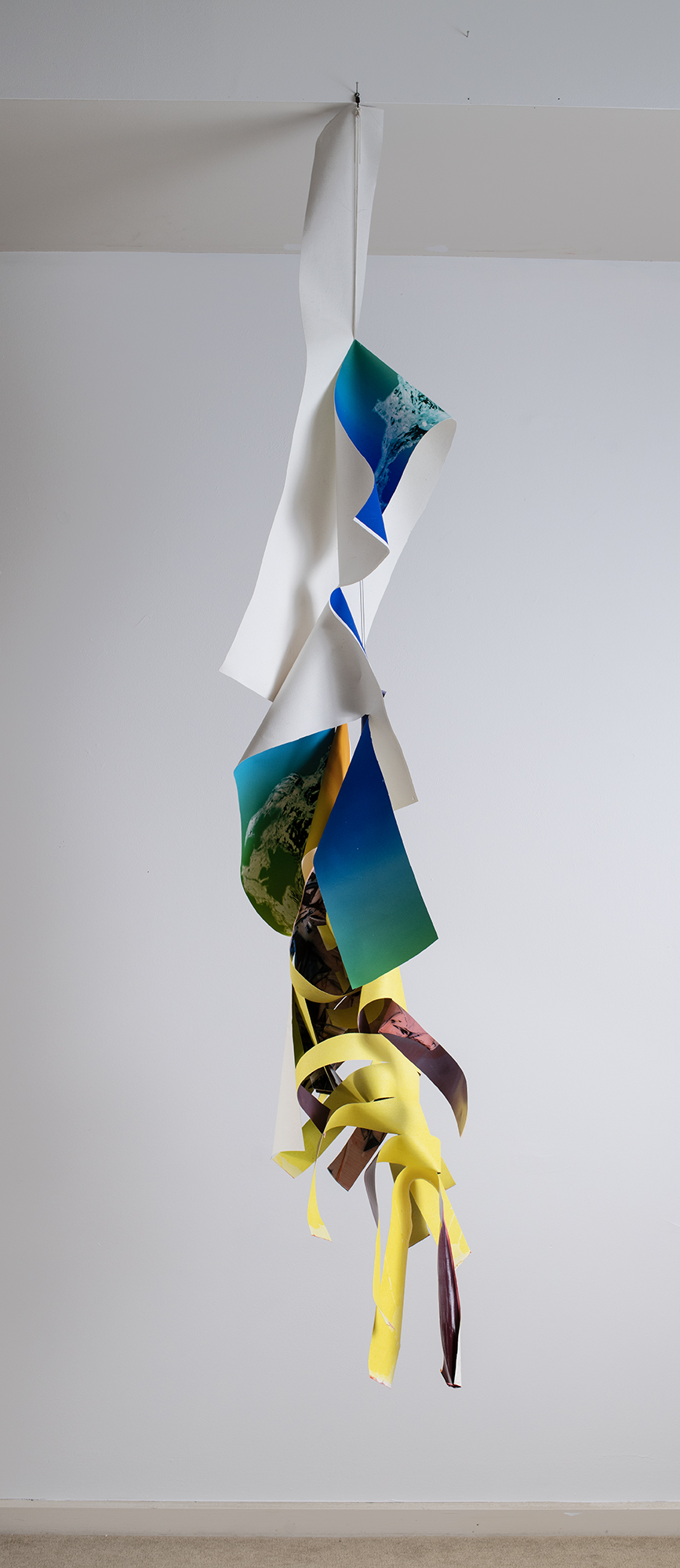
Gallery installation
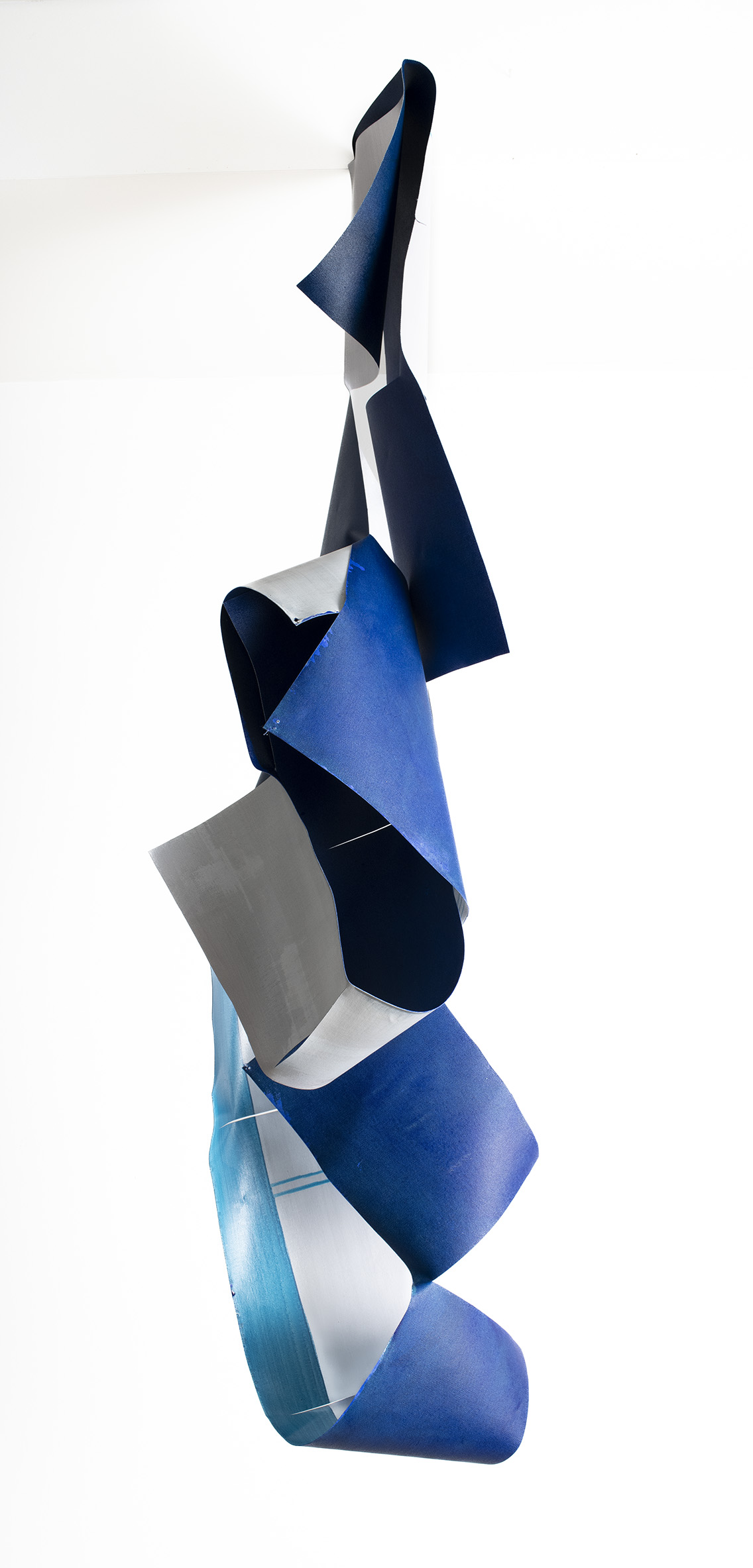
Exhibition catalogue back cover
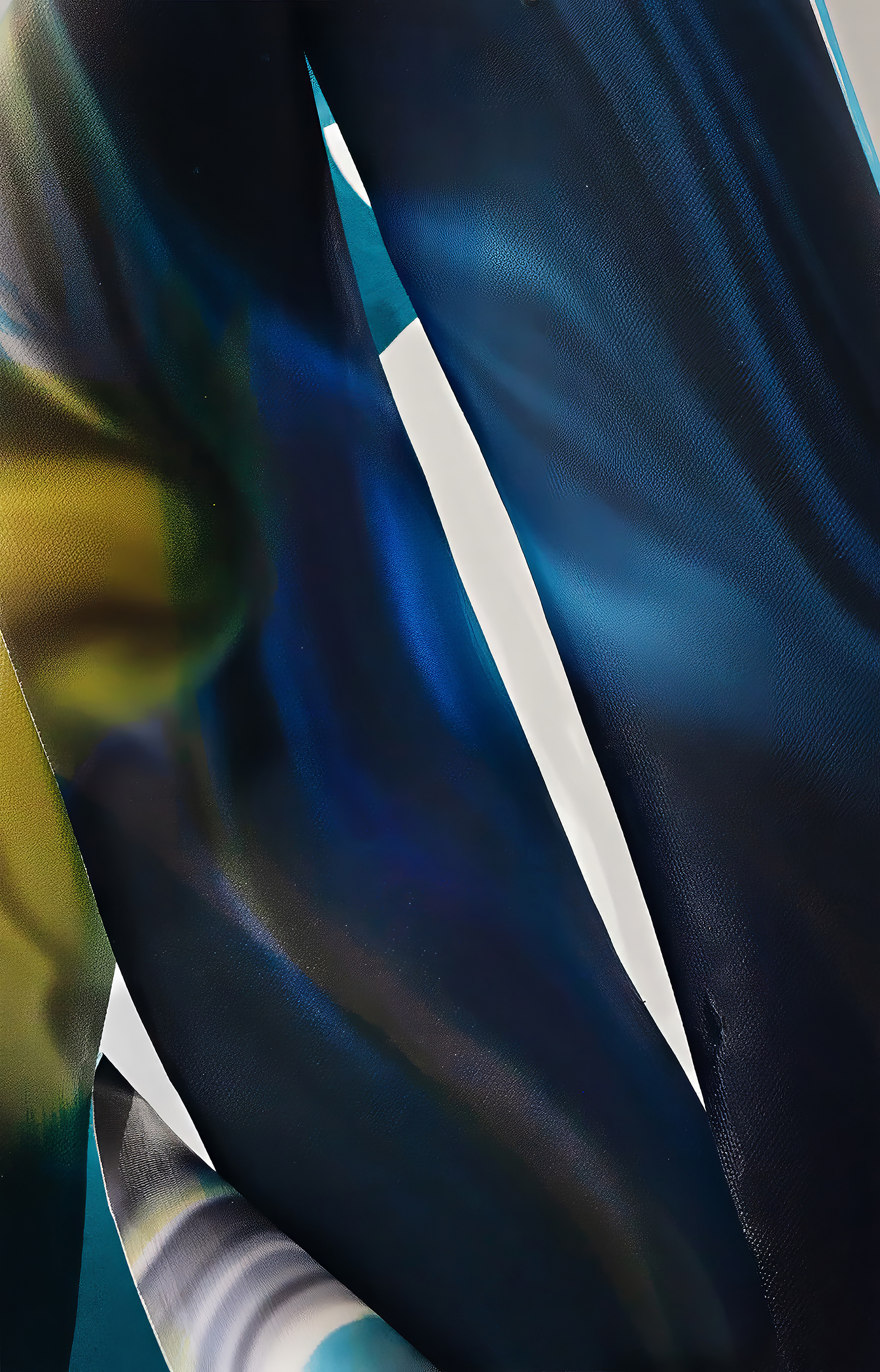
A photo of a pinhole photo of a photo sculpture, 2023
Artist Statement
Fugitive States is an exhibition that explores a perceived state of entanglement between sentient beings and technology. Using primitive and hi end digital photographic methods, Wilson deconstructs the virtual to haul it back into the physical. In a punk DIY aesthetic, the works use a variety of approaches to intervene in the photographic act. In this context the camera, its technology, hardware and software are considered an extension of the body's intelligence.
Wilson considers the virtual in all its forms to break free from photography's tradition of 'capturing', 'documenting', and 'representing'. She has taken her entanglement with the virtual and the physical into photo paintings in which the act of playing with light through a camera is continued into the printed pinhole image, and reinterpreted through new mediums, in remembrance of the act of photography.
Similarly, the virtual is made physical by employing gravity as an essential element in the artefacts. Photo and kinetic sculptures juxtapose the lightness of light with the heaviness of the material of the print – canvas in these works. They are made subject to the forces of gravity and movement. Any ambient movement (audience or natural forces) will spin the sculptures revealing different viewpoints in synergy with the body. Likewise, wind from a video projector spins the lightweight film on which a pinhole photo has been printed. The light pushes through the spinning photo onto the walls – lights agile motion set in play by the hardware.
This body of work is experimental and fun with references to Robert Morris, Richard Tuttle, Iva Genzken and Lucio Fontana and while this is, in part, homage, the key break here is with photography and the conventional limits we place on form.
Anne Scott Wilson 2023