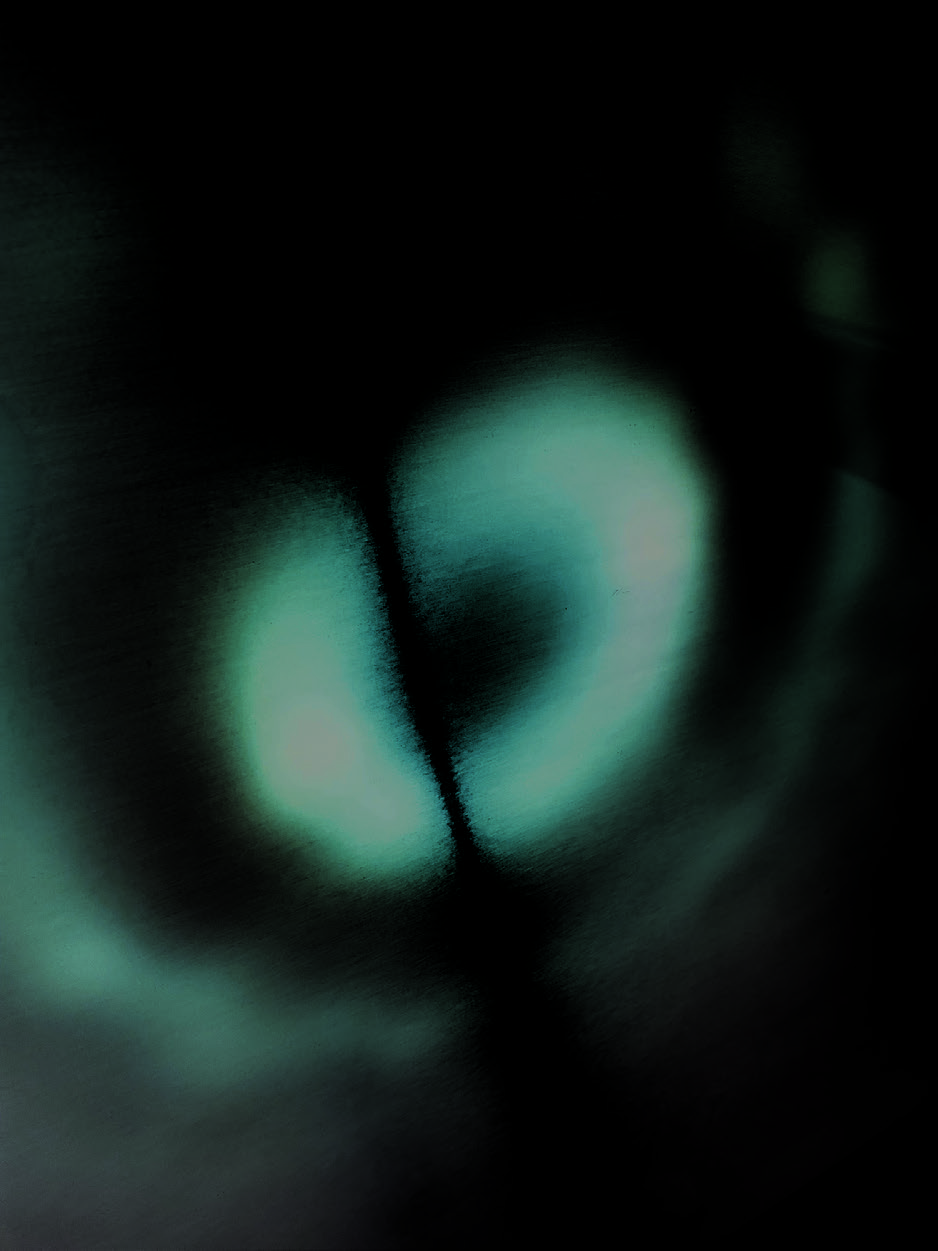
It is perhaps self-evident to acknowledge that photography is fundamentally the capture of light through a duration of time. While theorists and artists have played with the medium's mutability and mimesis, there is a magic in the photographic that continues to mesmerize. The translation of the ethereal elements of light and time into something tangible, and at times, tactile, seems miraculous still.
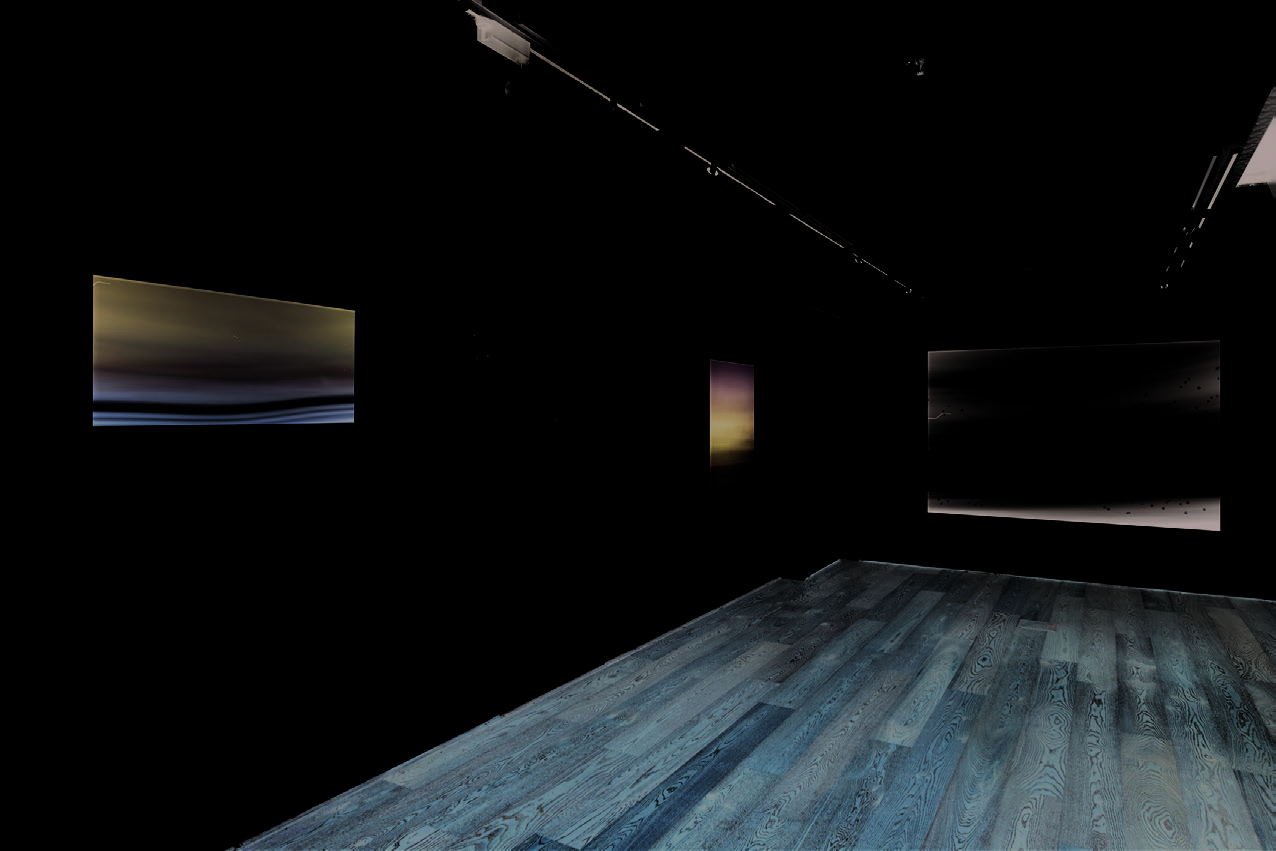
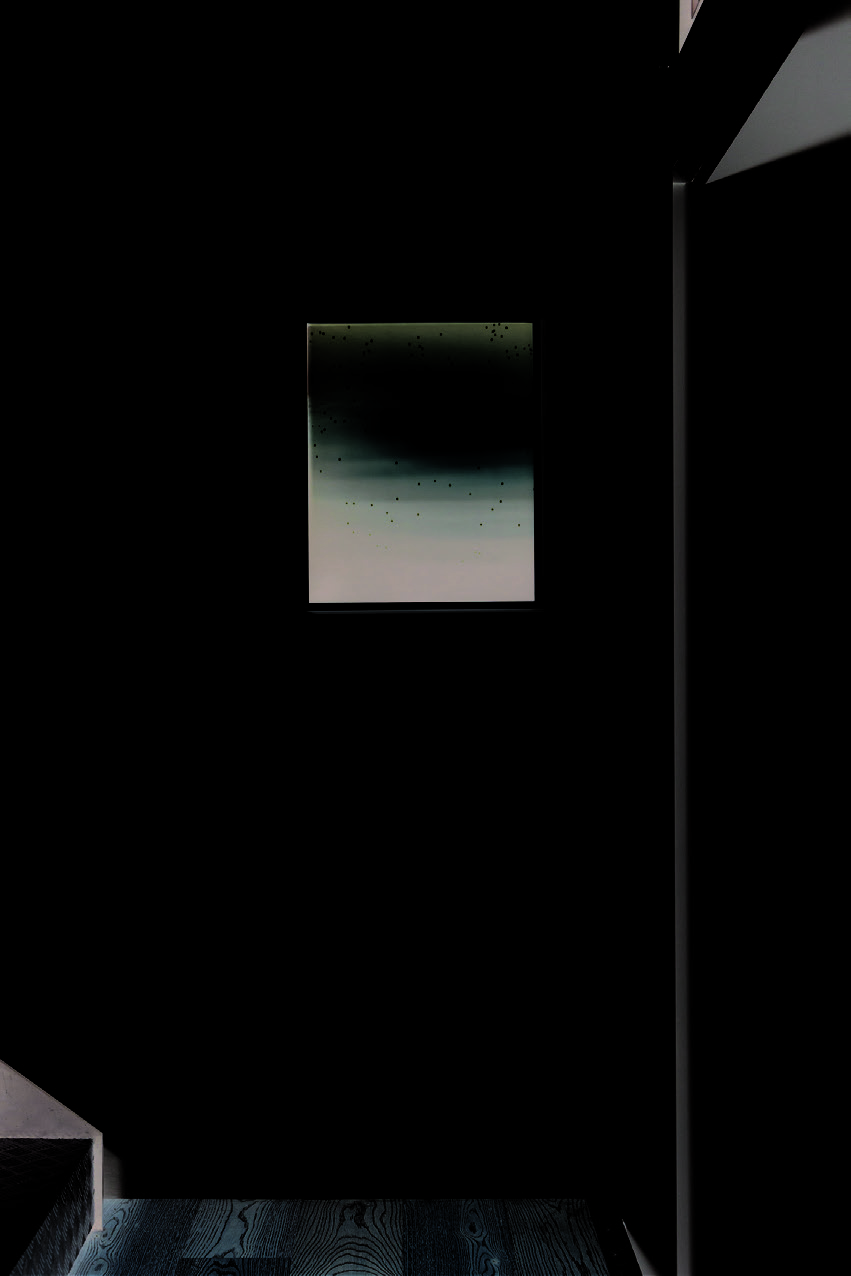
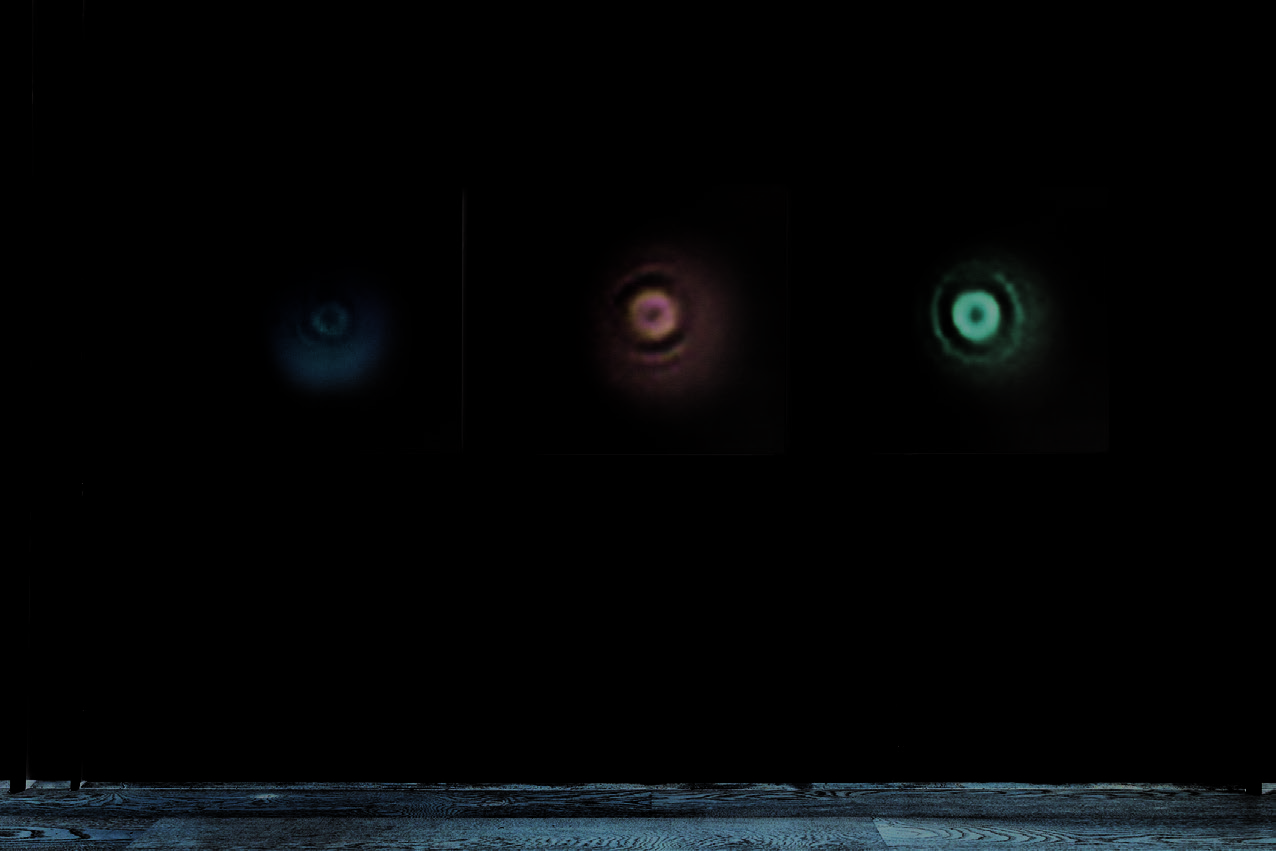
The work of Anne Scott Wilson in Algorhythmia harnesses the unbridled mysticism of photography, while captivating viewers in a metaphysical contemplation. The traditions of representation and abstraction in photography are replaced with an emphasis on the elemental nature of existence. Wilson breaks the photographic down to the particle level.
Just as Rothko's bleeding color-fields embodied an emotional magnitude, Algorhythmia refracts human existence into immersive wells of color and psychic sensation.
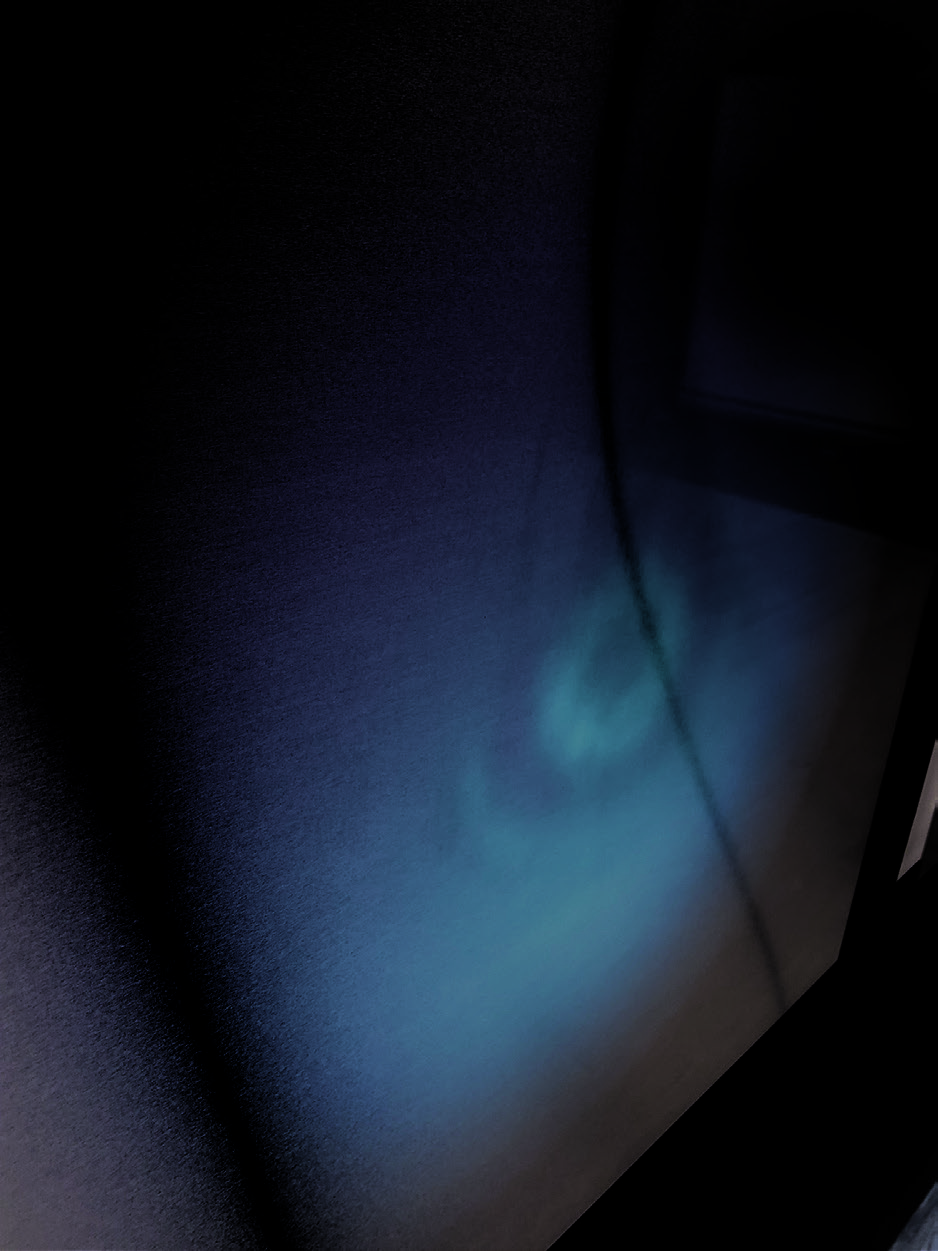
The kinetic pull of liquid lines punctuated by kaleidoscopic fractals through the work embody state changes, as the viewer is moved from the wholeness of a body in space down to the atomic level in a graceful dance. The body of the artist spinning in space is palpable in the fluidity of the images. The camera becomes an extension of her body, showing the world, not as it is seen, but as it is felt. With each magnification, the vibrating atomic particles that make up our existence are beautifully rendered, serving as affirmation of a deeply human physicality rather than technological distancing.
— Anna Shimshak